A wrong end connection can create leaks, delays, and rework. I see buyers focus on valve type first, but the connection often decides whether the system runs safely.
Yes, the right valve end connection depends on pipe size, pressure, fluid, maintenance needs, and hygiene requirements. I always choose the connection that reduces leak risk, fits the service conditions, and matches how the system will be installed and maintained.
Once I explain end connections this way, selection becomes much easier. The goal is not to find the “best” connection in general. The goal is to find the best connection for that exact service.
What Is a Valve End Connection?
Many buyers choose a valve body and trim carefully, but they treat the ends like a minor detail. That mistake usually shows up later during installation or maintenance.
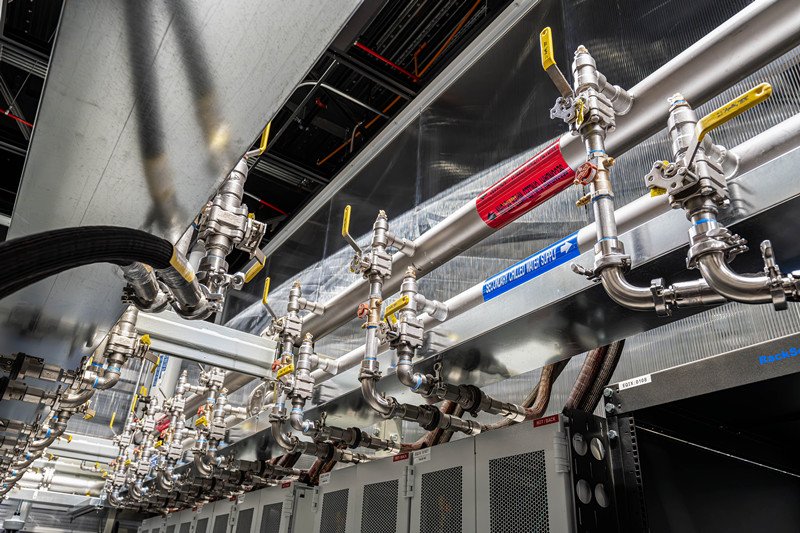
A valve end connection is the interface between the valve and the piping, tubing, hose, clamp, or manifold. It decides how the valve is installed, sealed, removed, and serviced, so it directly affects leakage, labor, downtime, and safety.
Why the end connection matters for performance, safety, and maintenance
I always tell customers that the end connection is not just a mechanical detail. It is a system decision. A valve may have the right pressure rating and material, but if the connection style is wrong, the whole assembly becomes harder to install and less reliable in real use.
Performance starts with sealing. A connection that is poorly matched to vibration, thermal cycling, or frequent disassembly will usually leak earlier than the valve body itself. Safety follows the same logic. In high-pressure service, a mismatched thread standard or poorly executed weld can become the real failure point.
Maintenance also changes a lot based on the connection. A threaded valve may be easy to source and install, but it can be slow to remove in a tight skid. A flanged valve may be bulkier, but it is often much easier to replace in larger pipe systems. A true union design can save many hours during cleaning or repair.
How end connections affect leakage, install time, and serviceability
Leakage risk is influenced by how many sealing surfaces exist and how stable those surfaces remain over time. Threaded ends rely on thread integrity and sealant. Flanged ends rely on gasket compression and bolt load. Compression ends rely on ferrule grip and tubing condition. Tri-Clamp relies on gasket fit and clamp compression.
Install time matters too. A push-to-connect fitting is fast, but it is not the right answer for every pressure or temperature condition. Butt weld is slow to install, but it can give a strong permanent joint with fewer leak paths.
Serviceability is where many buyers change their minds. If a valve will be removed often, permanent welded ends may create future cost. If the line is rarely touched, a permanent connection may actually lower lifecycle risk. That is why I never separate end connection choice from maintenance planning.
The 8 Most Common Valve End Connection Types?
Many teams know a few common end styles, but they compare them loosely. That creates confusion when similar-looking options behave very differently in service.
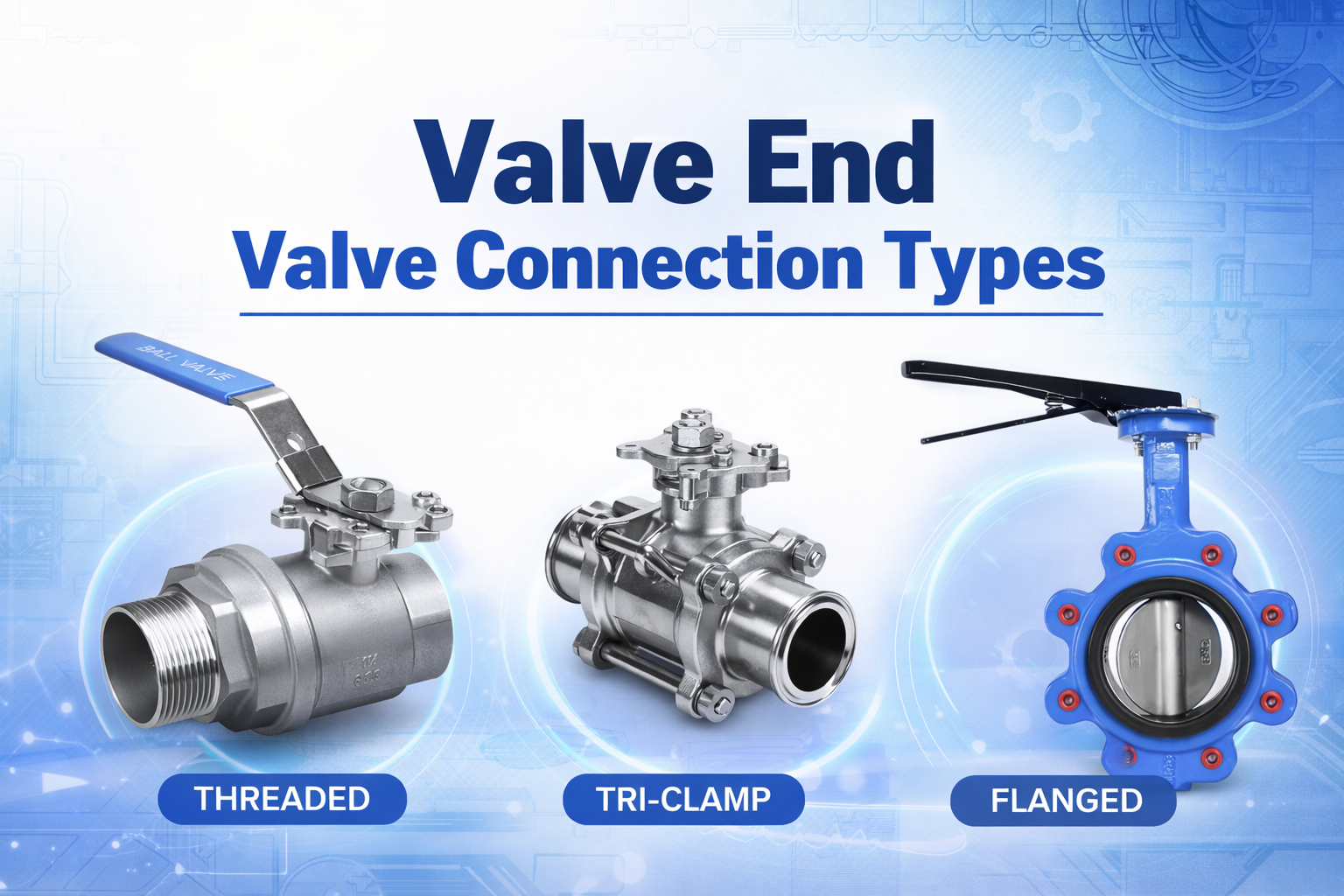
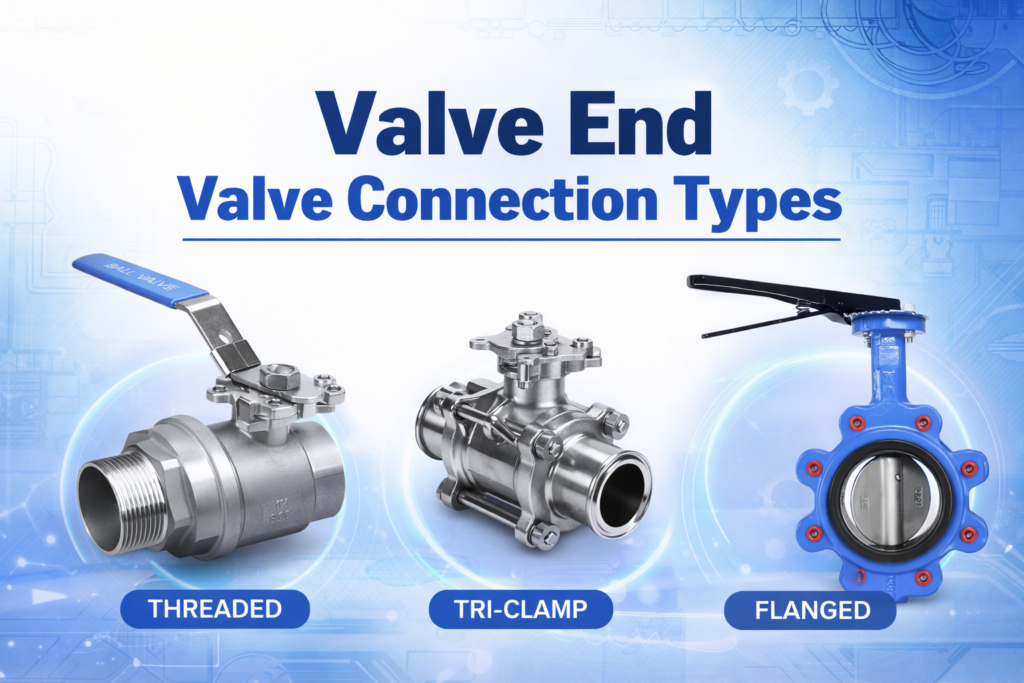
The eight most common valve end connection types are threaded, socket weld, butt weld, flanged, wafer or lugged, Tri-Clamp, compression or push-to-connect, and union or manifold-mount. Each one fits different pressure, hygiene, maintenance, and space requirements.
Threaded connections
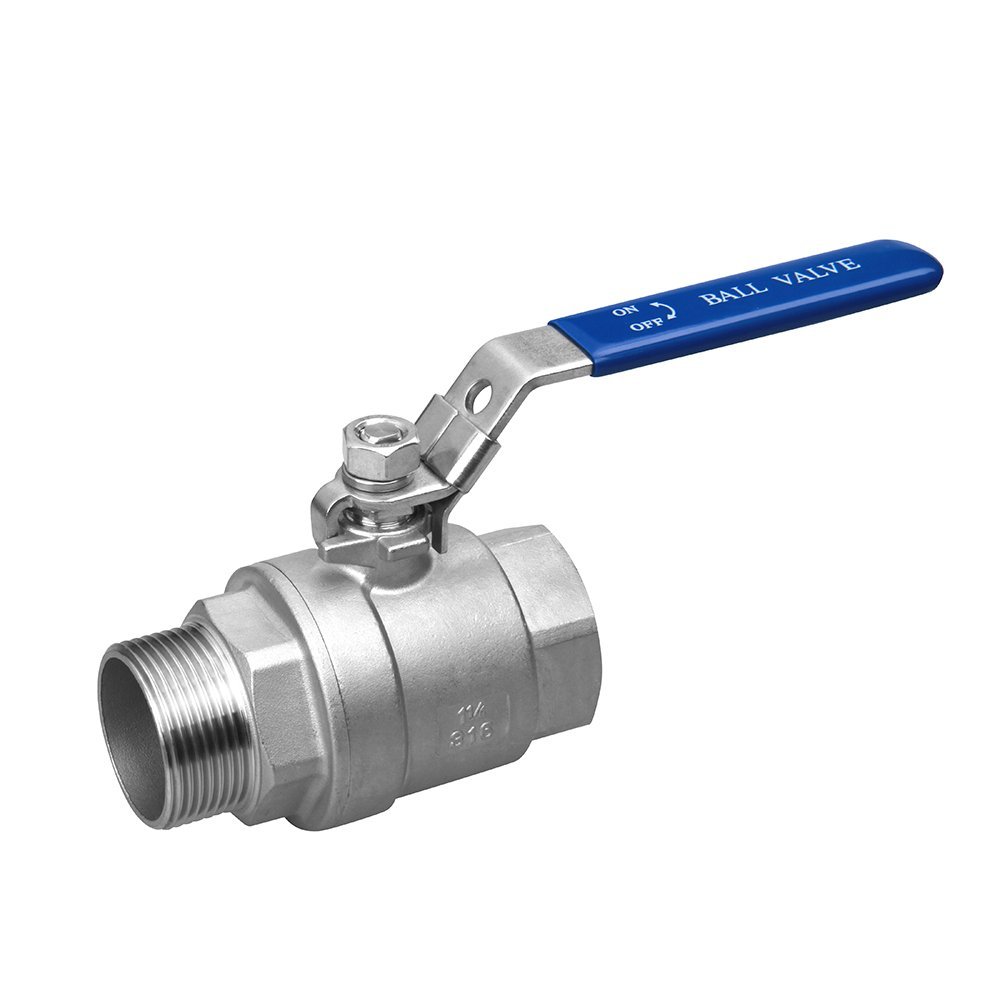
I see threaded ends used most often in small pipe sizes and general service. They are common because they are simple, familiar, and low in initial cost. The main issue is not whether threads work. The main issue is whether the exact thread type matches the mating part.
Socket weld connections
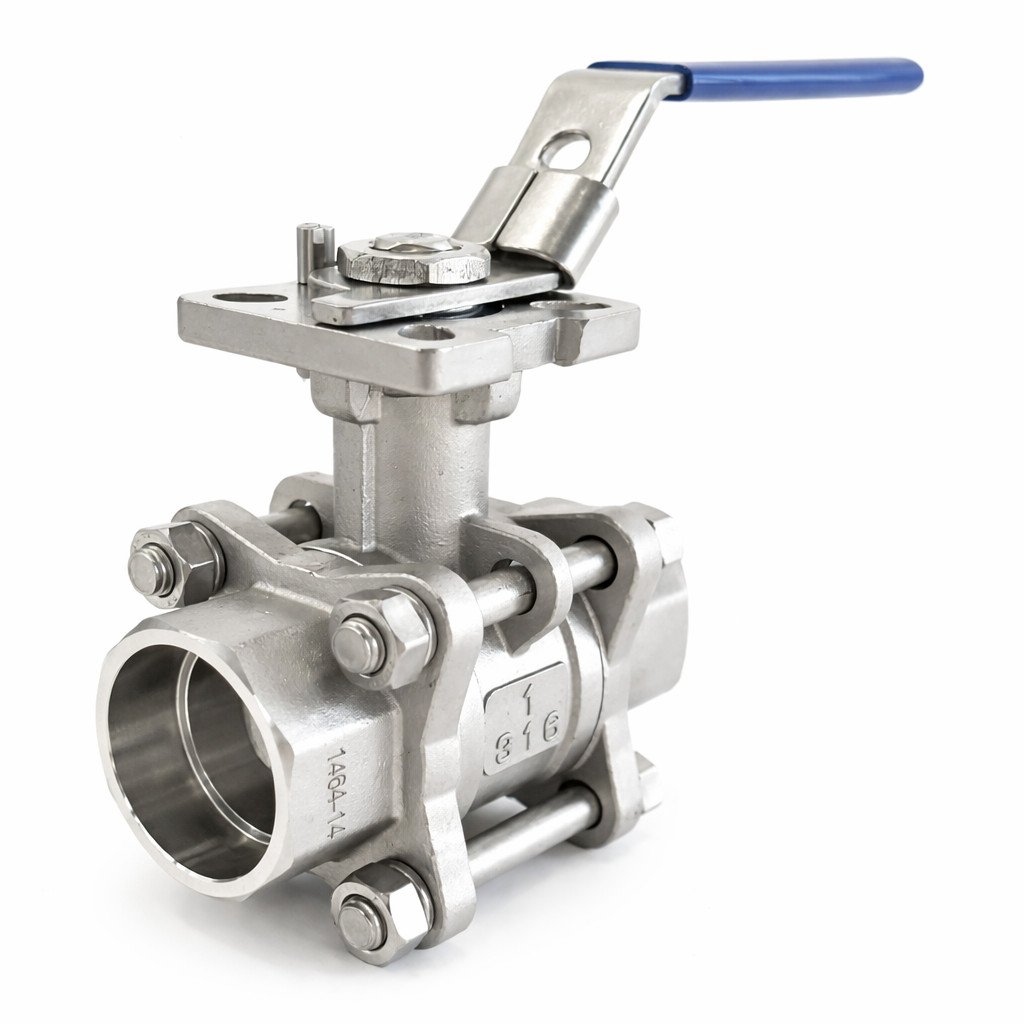
Socket weld ends are common in smaller high-pressure piping where buyers want a stronger and more permanent joint than threads. They are compact and robust, but installation quality matters because weld heat and alignment matter.
Butt weld connections
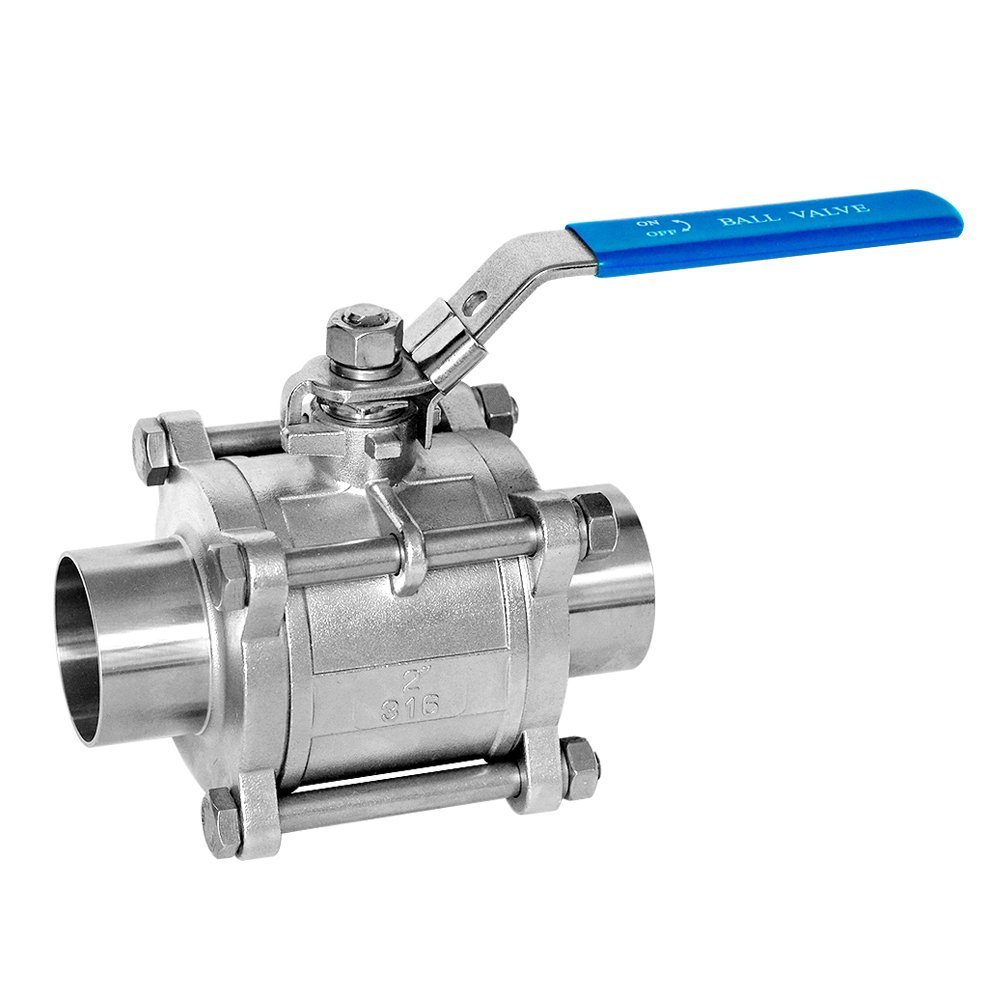
Butt weld ends are more common when line size increases or when the system needs a cleaner flow path and stronger welded continuity. They need skilled welding and good fit-up, but they reduce leak points.
Flanged connections

Flanged ends are the standard answer in many process plants because they are easy to assemble, inspect, and remove. They take more space and hardware, but they are practical for large sizes and routine maintenance.
Lugged and wafer valve connections
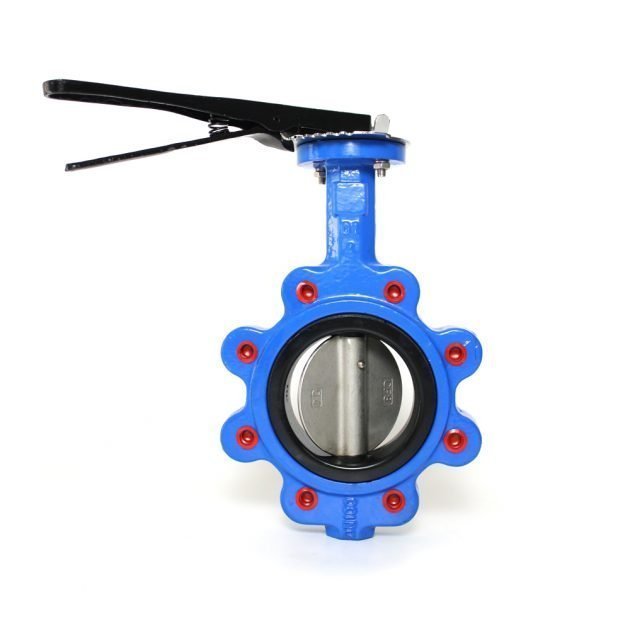
I usually see these on butterfly valves. Wafer bodies are compact and economical. Lugged bodies offer better bolting flexibility and can support some dead-end arrangements when properly rated.
Tri-Clamp sanitary connections
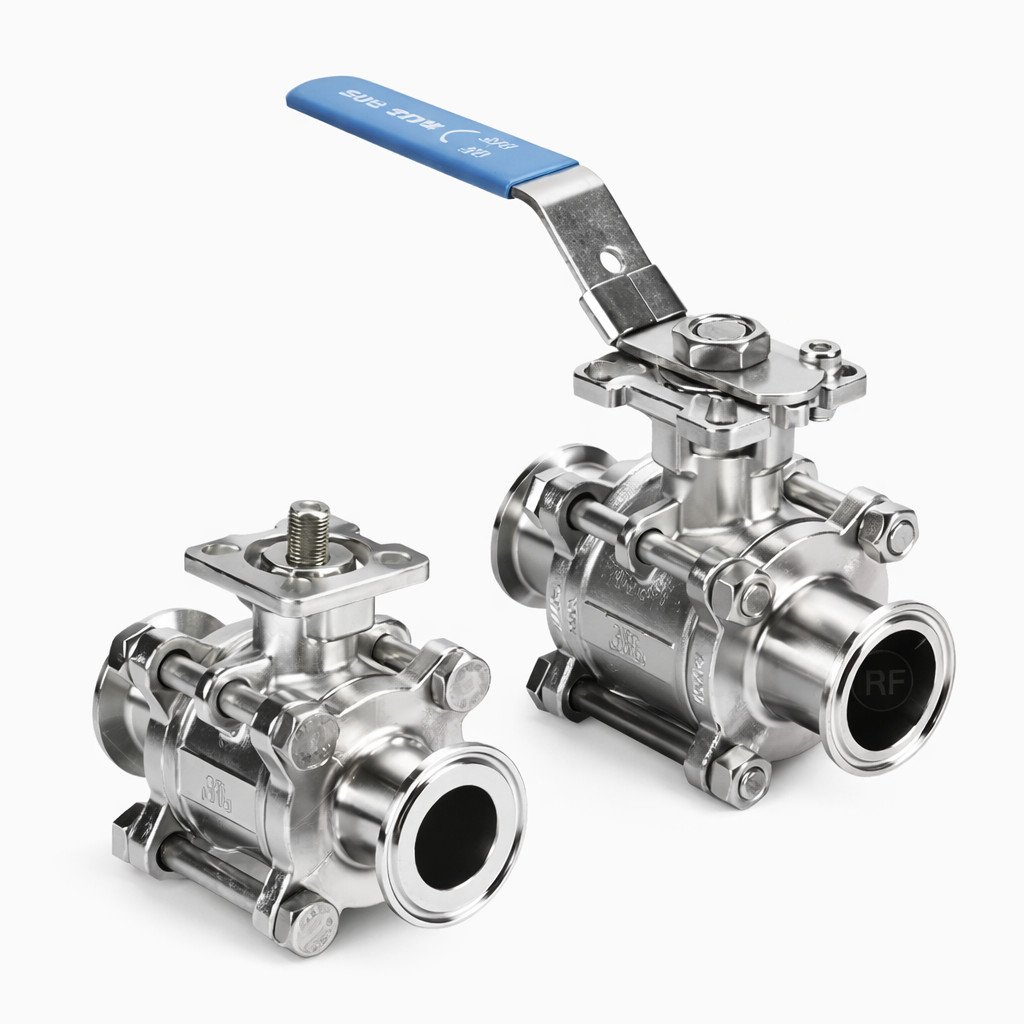
Tri-Clamp is widely used in sanitary systems because it is easy to open, clean, and inspect. It works very well in food, beverage, biotech, and pharma when cleanliness and fast disassembly matter.
Compression and push-to-connect connections
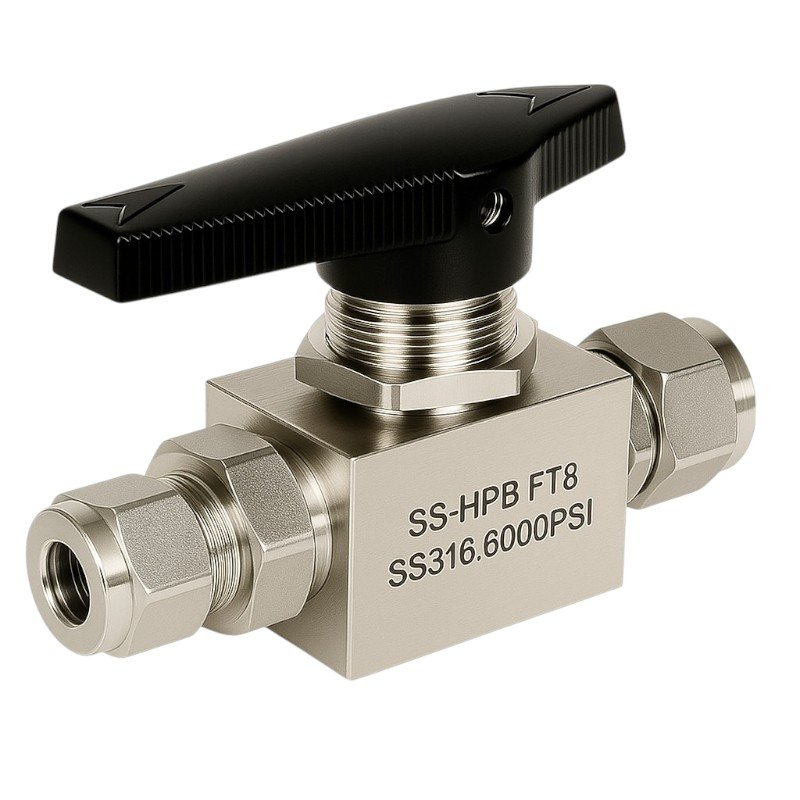
Compression ends are very common in instrumentation and tubing systems. Push-to-connect is common in lower-pressure pneumatic or utility systems where fast assembly matters more than maximum pressure capability.
Union and manifold-mount connections
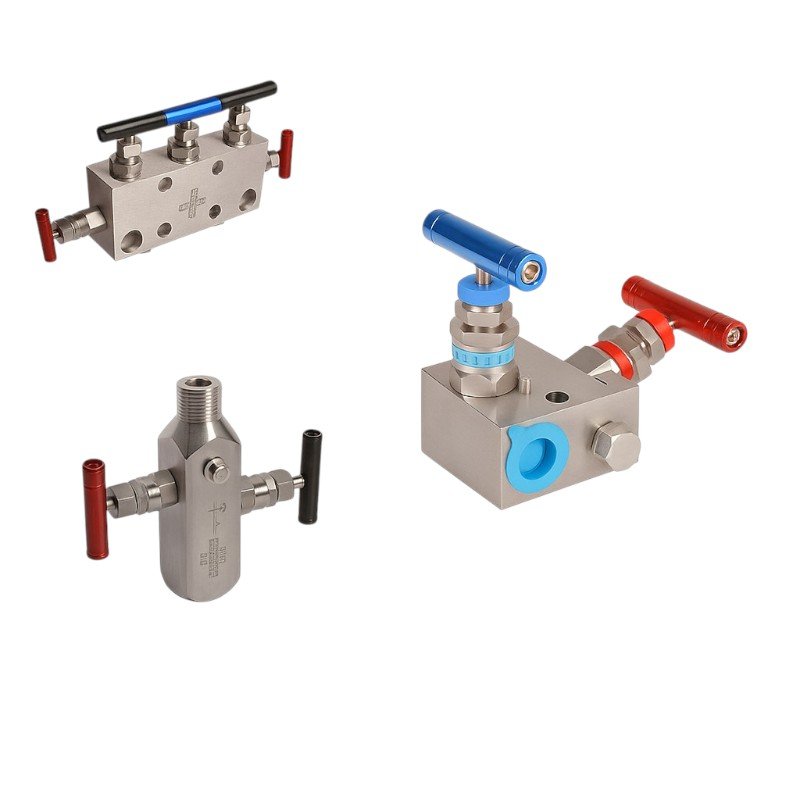
True union designs simplify removal without cutting pipe. Manifold-mount and similar interfaces help in compact instrument assemblies and automation packages where space and modularity matter.
Threaded Valve Connections Explained?
Threaded valves look simple, so buyers often assume all threads are close enough. That assumption causes some of the most common field problems I see.
Threaded valve connections use screw threads to join the valve to pipe or fittings. They are economical and common in small sizes, but they only work well when the thread standard, sealing method, and installation practice all match correctly.
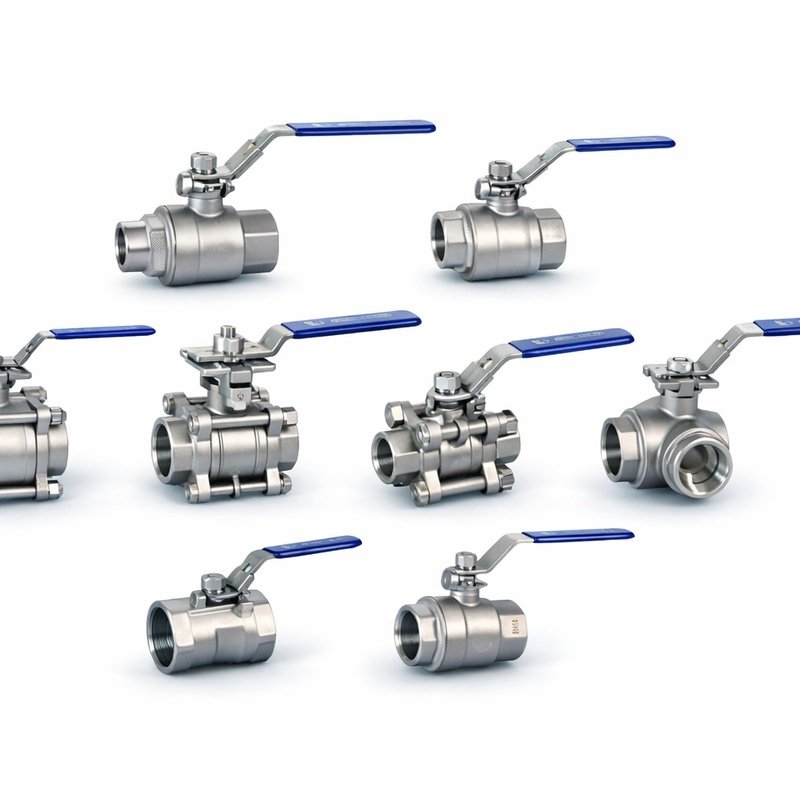
NPT vs BSPT vs BSPP
This is one of the biggest problem areas in export markets. NPT is common in the US. BSPT and BSPP are common in many other regions. They are not interchangeable just because the sizes look close on paper.
NPT is a tapered thread. BSPT is also tapered, but the angle and thread form differ from NPT. BSPP is a parallel thread, so it usually seals with a bonded seal, washer, gasket, or another sealing face instead of sealing on the thread itself.
I always tell buyers to confirm more than the nominal size. They must confirm the standard, taper or parallel form, sealing method, and male or female side details. That small check prevents expensive returns.
Straight vs tapered threads
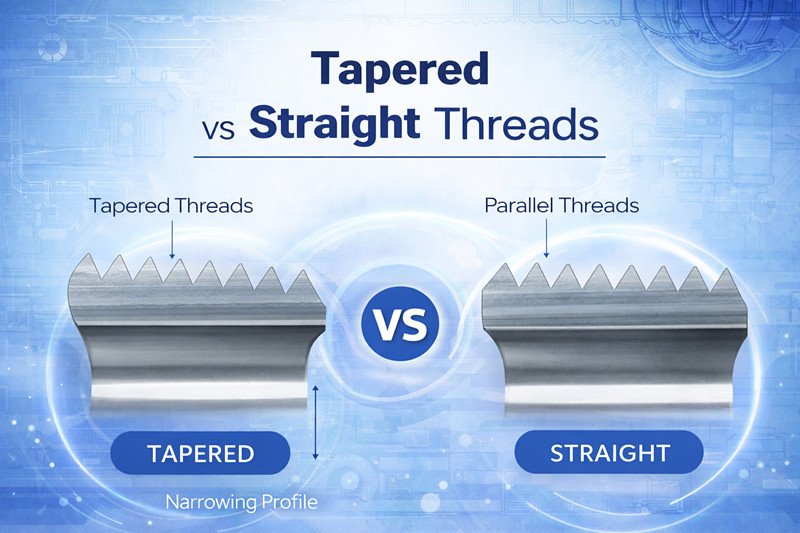
Tapered threads are designed to create an interference fit as they tighten. Straight threads usually need a separate sealing element. The mistake I see is when buyers assume every male thread should be sealed the same way. That is not true.
Tapered threads can be overtightened, cracked, or poorly aligned if installers chase a seal by force. Straight threads can leak if the sealing washer or face seal is missing or incompatible.
Best use cases and common mistakes
I recommend threaded ends for smaller sizes, moderate pressures, packaged equipment, and applications where welding is not practical. They are also useful where field replacement matters and the pipe layout is simple.
Common mistakes include mixing NPT with BSP, using wrong sealant, overtightening stainless threads, and reusing damaged threaded joints. Stainless-on-stainless galling is also a real issue, so assembly practice matters.
| Thread Type | Form | Typical Seal Method | Main Risk |
|---|---|---|---|
| NPT | Tapered | Thread sealant | Mixing with BSP |
| BSPT | Tapered | Thread sealant | Wrong mating thread |
| BSPP | Parallel | Washer or face seal | Missing seal element |
Welded Valve Connections Explained?
Many buyers choose welded ends for strength, but they forget that welding quality and heat control decide whether that strength is real in practice.
Welded valve connections create a permanent metal-to-metal joint. Socket weld suits many smaller lines, while butt weld suits larger or more demanding systems. Both reduce thread-related leak points, but both depend heavily on welding quality and heat control.
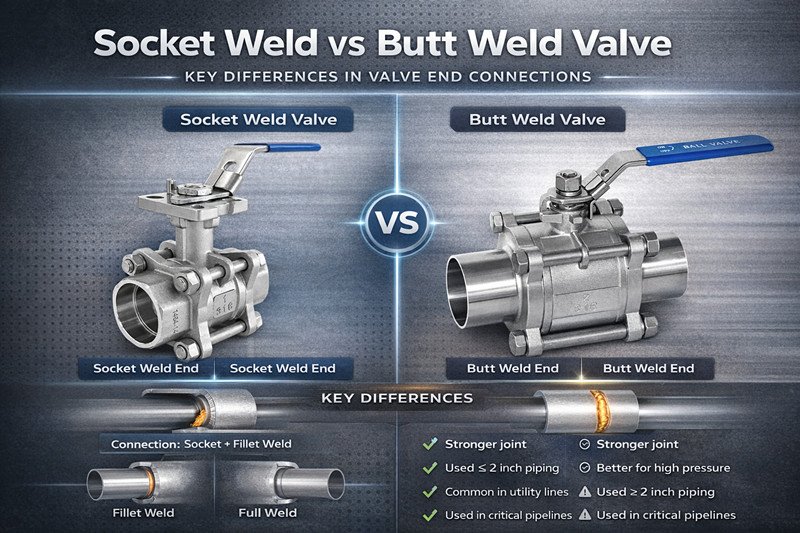
Socket weld vs butt weld
Socket weld is usually easier in smaller sizes because the pipe inserts into a socket before welding around the outside. This helps alignment, but it can create a crevice area if not handled properly. Butt weld joins pipe and valve ends edge to edge, which gives a smoother bore and is often preferred for higher integrity piping.
I generally see socket weld used in smaller bore services where compact design matters. I see butt weld used when line continuity, flow path, and structural integrity matter more, especially as pipe size increases.
Pressure, permanence, and leak prevention
A good welded joint eliminates many of the sealing issues seen in threaded assemblies. There is no thread sealant to fail and no gasket to relax. That is a major reason why welded ends are attractive in high-pressure, high-temperature, or hazardous fluid service.
But permanence cuts both ways. If the valve fails, replacement can require cutting, welding, and testing. That means the true lifecycle cost may be higher in systems with frequent intervention.
Heat-related installation risks
Heat is the hidden issue. Poor welding practice can distort sealing areas, damage soft seats, affect metallurgy, or introduce residual stress. I always recommend that buyers think about the valve internals before approving a weld-end design.
For some applications, installers remove sensitive parts before welding. For others, they use controlled procedures, purge practice, and cooling steps. A welded connection is only as good as the installation discipline behind it.
Flanged Valve Connections Explained?
Flanged valves are common, but many teams still confuse flange standards with valve body styles. That can create bolt-up problems, gasket failures, and wrong service assumptions.
Flanged valve connections use mating flanges, bolts, and a gasket to connect the valve to the line. They are widely used because they balance strength, accessibility, and maintainability, especially in medium to large process piping.

ANSI flange basics
In many export projects, ANSI or ASME flange classes are a normal reference point. The buyer must match pressure class, facing type, dimensions, bolt pattern, and gasket style. A flange is not just “4-inch 150 class.” The face details matter too.
I often remind customers that a flanged connection is a system of parts. The valve flange, mating flange, bolts, gasket, lubrication, torque sequence, and surface condition all work together. One weak step can cause leakage even when the valve itself is perfect.
Wafer vs lugged vs full flanged valves
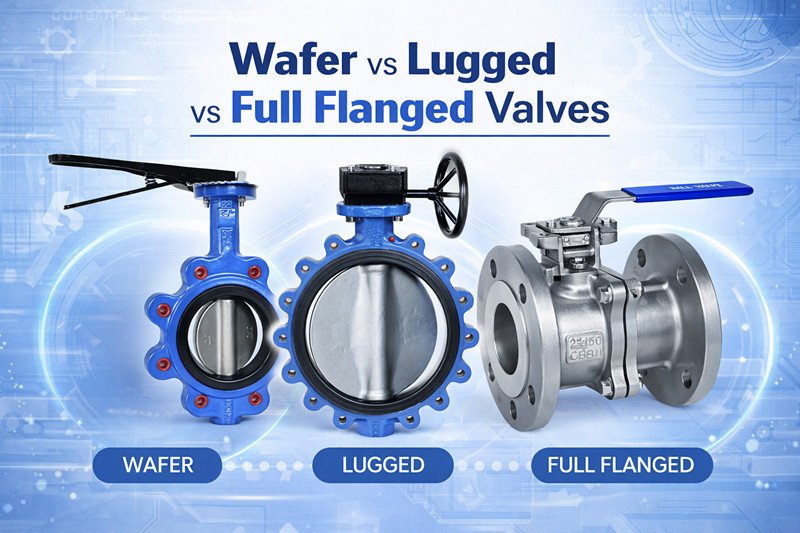
These three get mixed up often. A full flanged valve has flanges as part of the valve ends. A wafer valve fits between flanges and depends on the line flanges and bolts for clamping. A lugged valve has threaded lugs around the body, so each side can be bolted more independently.
That difference matters for removal and service. Wafer valves are compact and low cost, but they are not always the right answer for dead-end use. Lugged valves offer more installation flexibility, but buyers must check the exact rating and service condition.
Gaskets, bolt-up, and dead-end service
Many flange leaks are actually bolt-up problems. Uneven tightening, wrong gasket material, damaged flange faces, or reused gaskets are common causes. I always look at the gasket and bolt plan, not just the valve drawing.
Dead-end service is another critical point. Some users assume any butterfly valve between flanges can isolate one side safely. That is not true. Wafer valves are often not intended for dead-end service unless specifically designed and rated for it.
Sanitary and Hygienic Connections?
In hygienic systems, a connection that works in industrial service may still fail the cleaning and inspection requirements. Cleanability changes the whole selection logic.
Sanitary and hygienic valve connections are designed to reduce crevices, support cleaning, and protect product purity. Tri-Clamp is the most common quick-open option, while sanitary butt weld is often chosen when the line should remain permanent and highly cleanable.
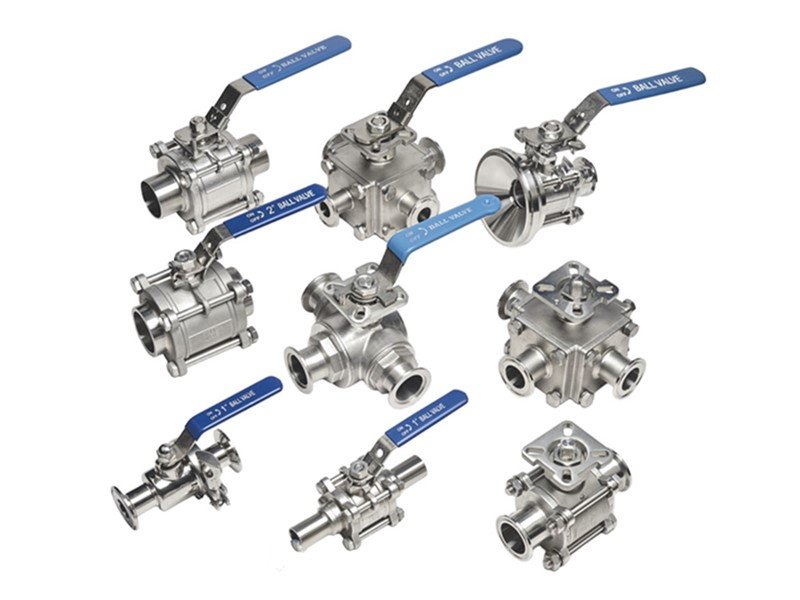
What Tri-Clamp connections are
Tri-Clamp connections use ferrules, a gasket, and a clamp to join sanitary components. I like them because they are fast to open and easy to inspect. In plants with regular cleaning, changeover, or validation work, that speed matters a lot.
Tri-Clamp is especially practical where operators need to remove valves often. It reduces downtime and supports visual inspection. That is why it remains so popular in food, beverage, biotech, and pharma systems.
Tri-Clamp vs sanitary butt weld
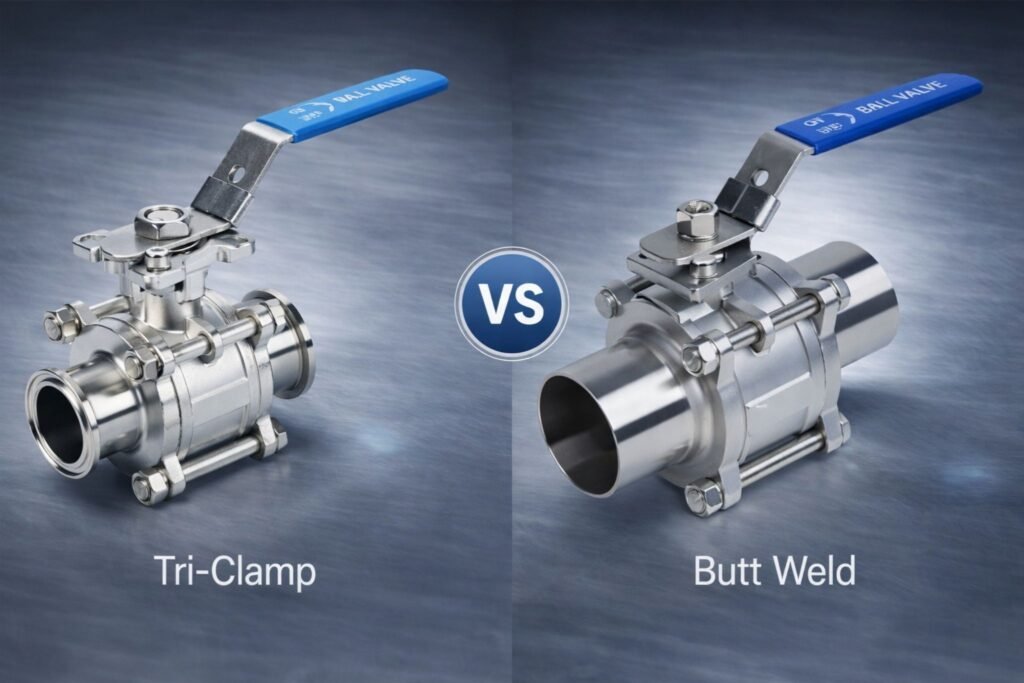
I do not treat these as competing choices in every case. They serve different maintenance strategies. Tri-Clamp is better when fast disassembly is valuable. Sanitary butt weld is better when the system should remain closed, smooth, and permanent.
Sanitary butt weld reduces removable joints, which can help long-term cleanliness and mechanical stability. But it is slower to modify later. Tri-Clamp adds flexibility, but the gasket and clamp discipline must be good.
Food, beverage, biotech, and pharma considerations
In hygienic markets, buyers must think beyond pressure and temperature. Surface finish, drainability, dead-leg control, gasket material, clean-in-place procedures, and certification requirements all matter. A technically acceptable connection can still be the wrong hygienic choice.
I usually recommend that buyers first define cleaning method and product sensitivity. After that, choosing between Tri-Clamp and sanitary weld becomes much more straightforward.
Conclusion
The right valve end connection is the one that matches service conditions, installation reality, and maintenance needs, not the one that seems cheapest or most familiar.
Beyond Fluid is a leading supplier of stainless steel valves and fittings for over 15 years. Learn More about us.