Wrong valve choice causes contamination, audits failure, and shutdowns. Many buyers confuse sanitary and industrial valves. This mistake creates hidden risk, cost, and blame later.
Sanitary valves are designed for hygiene and cleanability, while industrial valves are designed for strength and durability. The right choice depends on hygiene risk, regulations, and process conditions.
I see this confusion every year with new buyers. Let me break it down clearly so you can choose with confidence and avoid expensive mistakes.
What Are Sanitary Valves?
Food, pharma, and biotech processes fail fast if hygiene is wrong. Many buyers underestimate how valve design affects product safety, audits, and brand trust.
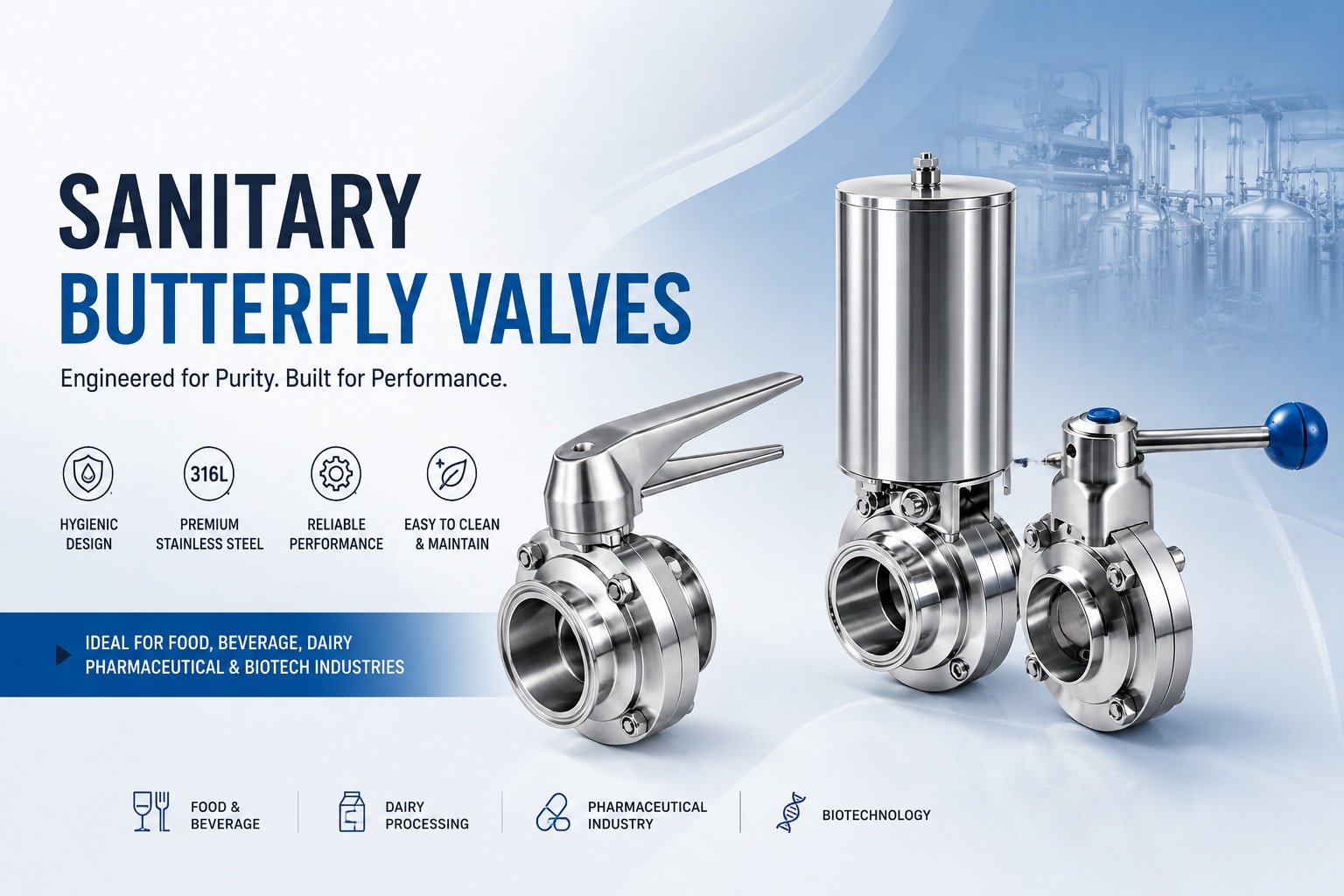
Sanitary valves are valves designed to prevent contamination, allow full cleaning, and meet strict hygiene standards in food, beverage, pharmaceutical, and cosmetic applications.
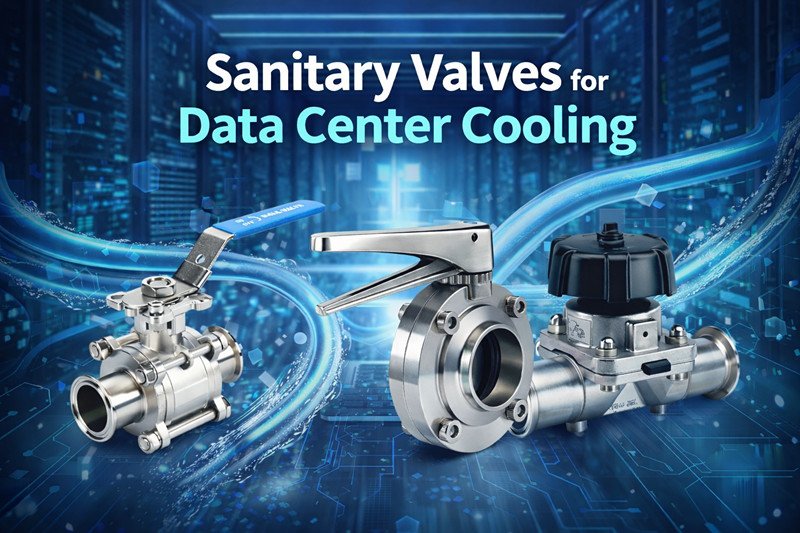
Hygienic Design Principles
Sanitary valves follow hygienic design rules. Every surface that touches product must be cleanable. There are no sharp corners or trapped zones. This design reduces bacteria growth and residue buildup.
In real projects, I see buyers focus on valve size and price but ignore internal geometry. This is where problems start. A valve can look stainless outside but still fail hygiene inside.
Smooth Internal Surface Finish (Ra Values)
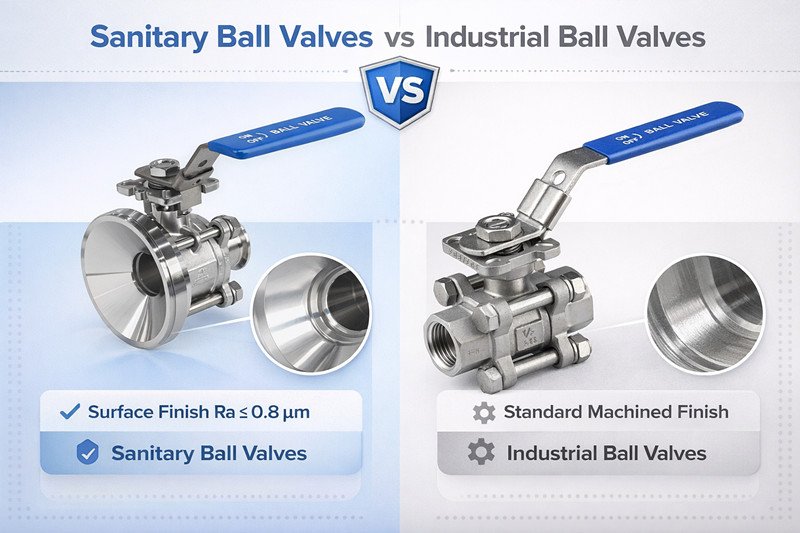
Surface finish matters more than many expect. Sanitary valves usually require Ra ≤ 0.8 μm, and sometimes Ra ≤ 0.4 μm.
A smoother surface reduces product adhesion. It also makes CIP cleaning faster and more reliable. Industrial valves rarely control Ra this tightly.
Elimination of Dead Legs and Crevices
Dead legs trap product. Trapped product becomes bacteria.
Sanitary valves are designed with straight flow paths and minimal cavities. Even gasket grooves are shaped to avoid shadow areas. Industrial valves accept dead zones because hygiene is not their goal.
CIP / SIP Compatibility
Clean-in-place and steam-in-place systems depend on valve design. Sanitary valves allow full flow of cleaning media at high temperature.
Industrial valves may survive pressure, but they often block cleaning flow or damage seals during SIP.
FDA-Approved Sealing Materials
Sanitary valves use FDA-approved elastomers like EPDM, PTFE, or silicone. These materials resist cleaning chemicals and do not leach into product.
Industrial valves may use general-purpose seals that fail audits or degrade over time.
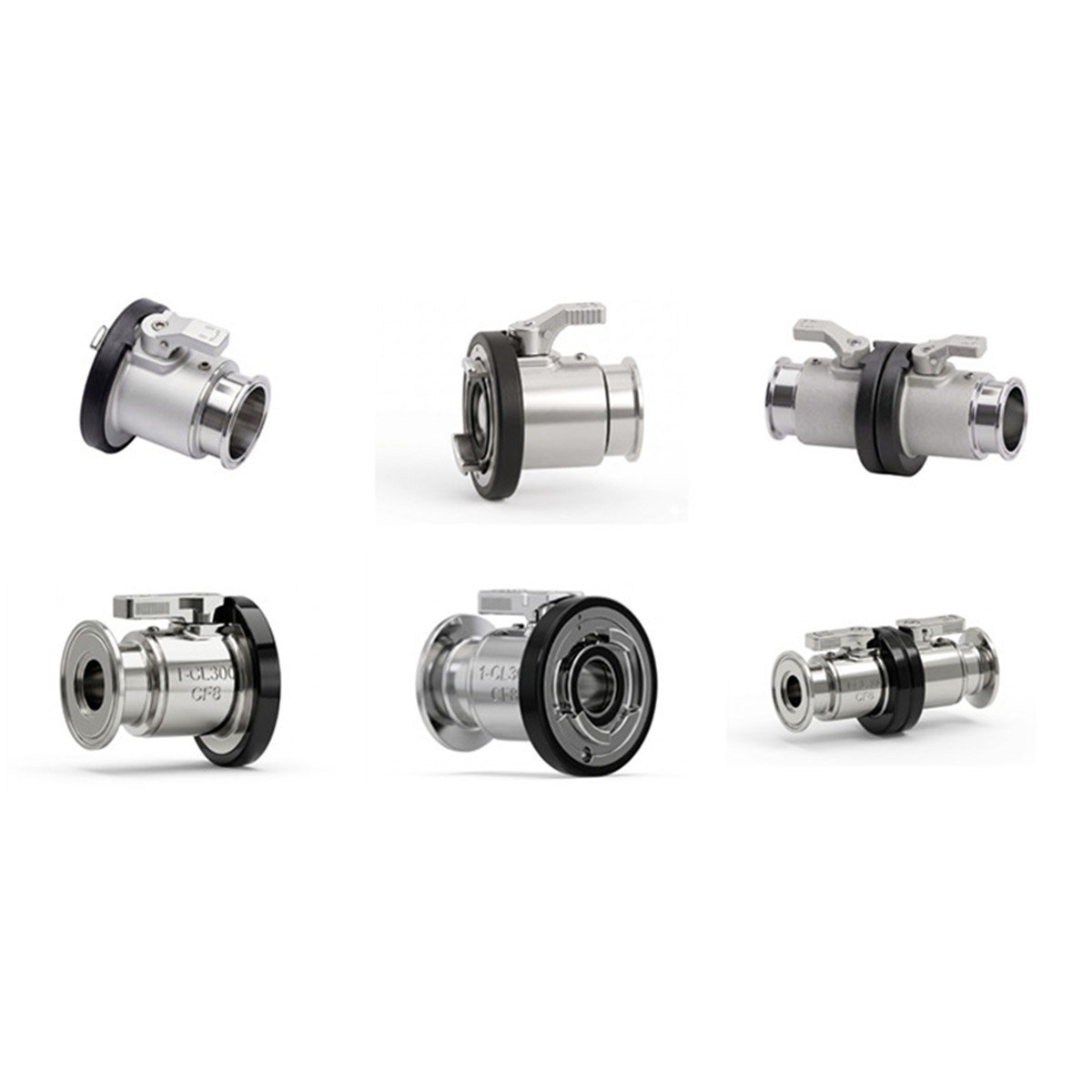
Common Types of Sanitary Valves
Each type balances cleanability, cost, and control. Choosing the wrong type creates cleaning and maintenance pain later.
What Are Industrial Valves?
Many processes do not need hygiene. They need strength, pressure resistance, and long service life in harsh conditions.
Industrial valves are valves designed for mechanical performance, pressure, temperature, and durability rather than hygiene.
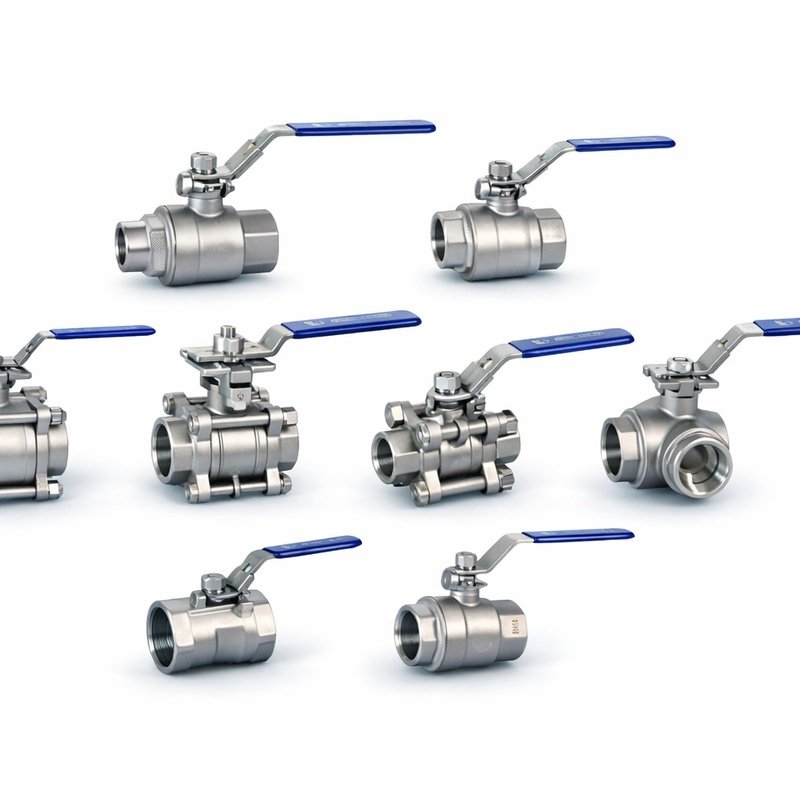
Designed for Pressure and Temperature Resistance
Industrial valves handle extreme pressure and temperature. Thick walls, heavy bodies, and reinforced seats are common.
In oil, gas, and chemical plants, this matters more than surface finish.
Focus on Durability Rather Than Hygiene
Industrial valves accept rougher internal surfaces. They may include cavities, threads, or complex internals.
These features increase strength and reduce cost, but they are not cleanable.
Tolerance for Particulate and Corrosive Media
Many industrial valves handle dirty fluids, slurries, or corrosive chemicals. Clearances are larger, and materials may include carbon steel or special alloys.
Sanitary valves avoid these designs because they trap residue.
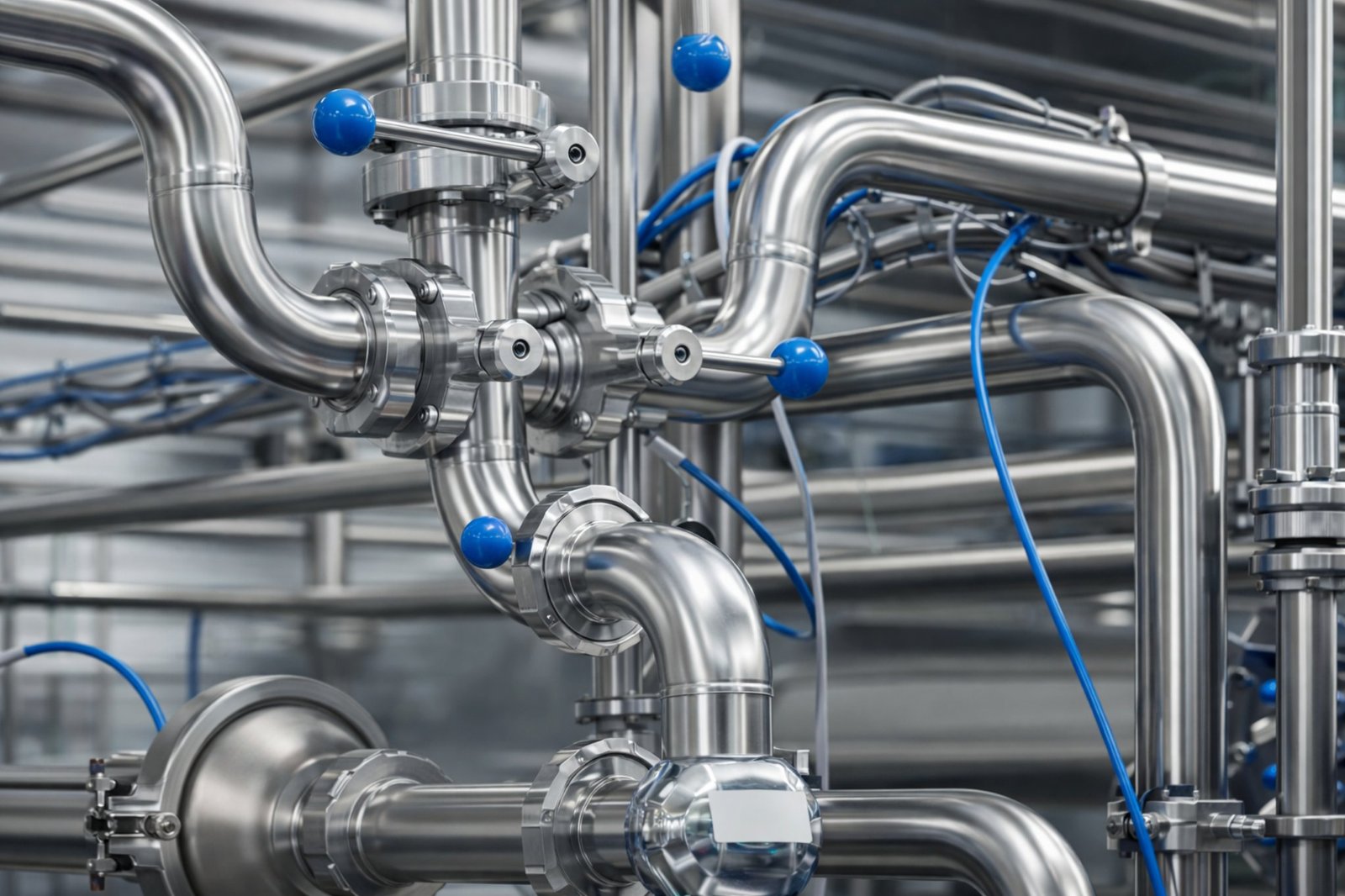
Common Types of Industrial Valves
These valves serve a wide range of industries where hygiene is not regulated.
Sanitary Valves vs Industrial Valves: Key Differences
Buyers often ask me if a polished industrial valve is “good enough.” The answer is usually no.
The difference lies in internal design, surface finish, sealing systems, and compliance standards.
Design and Construction
Sanitary valves use simple, open internal geometry. Industrial valves prioritize strength and flow control.
Threads inside the flow path are common in industrial valves but avoided in sanitary designs.
Materials and Surface Treatment
Both use stainless steel, but not the same way.
| Aspect | Sanitary Valves | Industrial Valves |
|---|---|---|
| Common Grades | 304 / 316L | 304 / 316 / Carbon Steel |
| Surface Finish | Polished, controlled Ra | Machined or cast |
| Treatment | Pickled, polished | Painted or coated |
Polishing adds cost, but it reduces cleaning time and risk.
Cleanability and Maintenance
Sanitary valves support CIP and SIP. Many can be fully drained and self-cleaning.
Industrial valves often require disassembly for cleaning. In sanitary lines, this means downtime and risk.
Regulatory and Compliance Requirements
Sanitary valves must meet FDA, 3-A, or EHEDG guidelines. Industrial valves usually do not.
Using the wrong valve can fail audits even if the product quality is fine.
Cost and Lifecycle Considerations
Sanitary valves cost more upfront. But they reduce cleaning time, audit risk, and product loss.
Industrial valves look cheaper but create hidden long-term costs.
Application-Based Comparison
Application decides everything. I always tell buyers to start with risk, not price.
Each industry has different tolerance for contamination, cleaning, and compliance.
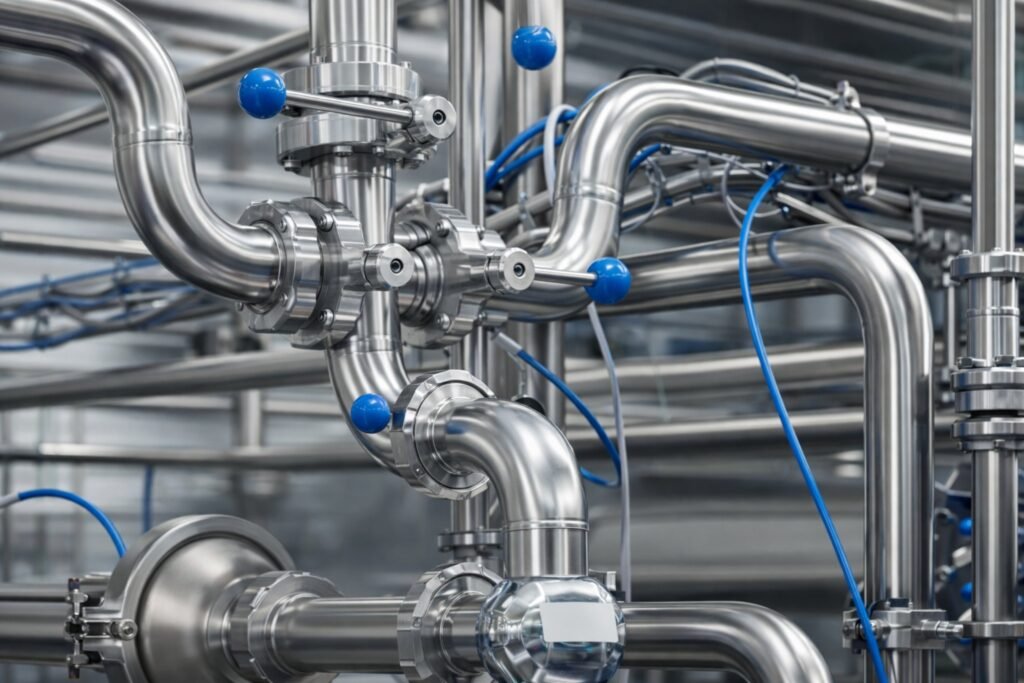
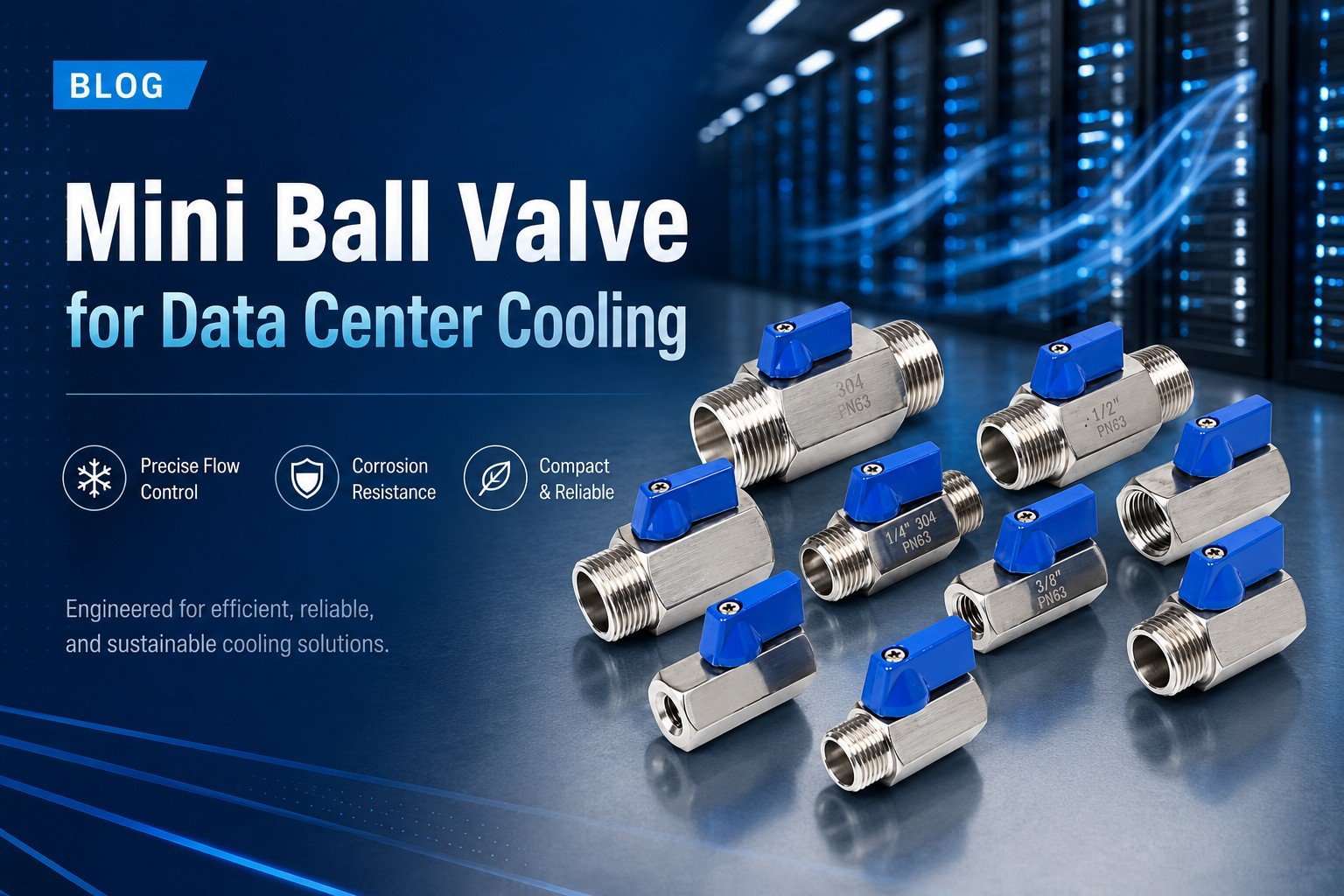
Data Center Cooling
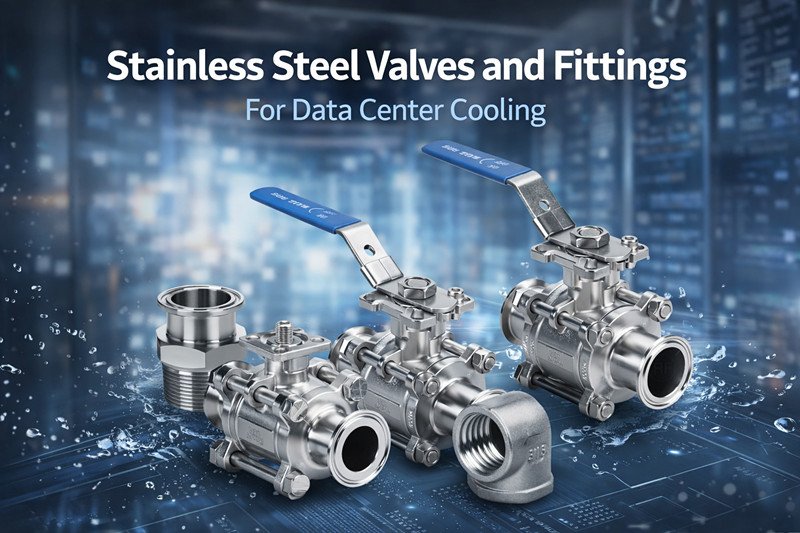
Data center cooling require many of sanitary and industrial valves and fittings for their liquid loops.
Food and Beverage Processing
Sanitary valves are mandatory. Even small contamination can cause recalls.
Pharmaceutical and Biotechnology
Zero tolerance. Sanitary diaphragm and ball valves dominate because cleaning validation is critical.
Dairy and Cosmetics Industry
High hygiene requirements with frequent cleaning cycles. Valve reliability during CIP matters more than pressure rating.
Chemical and General Industrial Applications
Industrial valves work well here. Hygiene is not regulated, and process conditions are harsh.
How to Choose the Right Valve for Your System
I always recommend a structured decision instead of copying old specs.
Valve selection should balance hygiene risk, compliance, process conditions, and lifecycle cost.
Choose Sanitary Valves If…
Hygiene is critical. Cleaning is frequent. Audits are strict. Product safety matters.
Choose Industrial Valves If…
The process is non-hygienic. Pressure or temperature is extreme. Regulations do not require sanitary design.
Valve Selection Checklist
- Process medium
- Cleaning method
- Compliance standards
- Budget and lifecycle cost
This checklist prevents emotional or price-driven decisions.
Cost vs Risk: Understanding Long-Term ROI
Cheap valves feel safe at purchase. They are expensive later.
Long-term ROI depends on cleaning time, downtime, audit risk, and product loss, not just unit price.
I advise buyers to calculate total cost over five years. Sanitary valves almost always win in regulated industries.
Final Recommendation and Key Takeaways
Sanitary and industrial valves serve different purposes. Choose based on risk and compliance, not habit or price.
Beyond Fluid is a leading supplier of sanitary and industrial valves for over 15 years. Download catalogs at Here.