Data centers face rising thermal loads, and traditional air cooling is hitting limits. This creates hotspots and efficiency losses that threaten uptime.
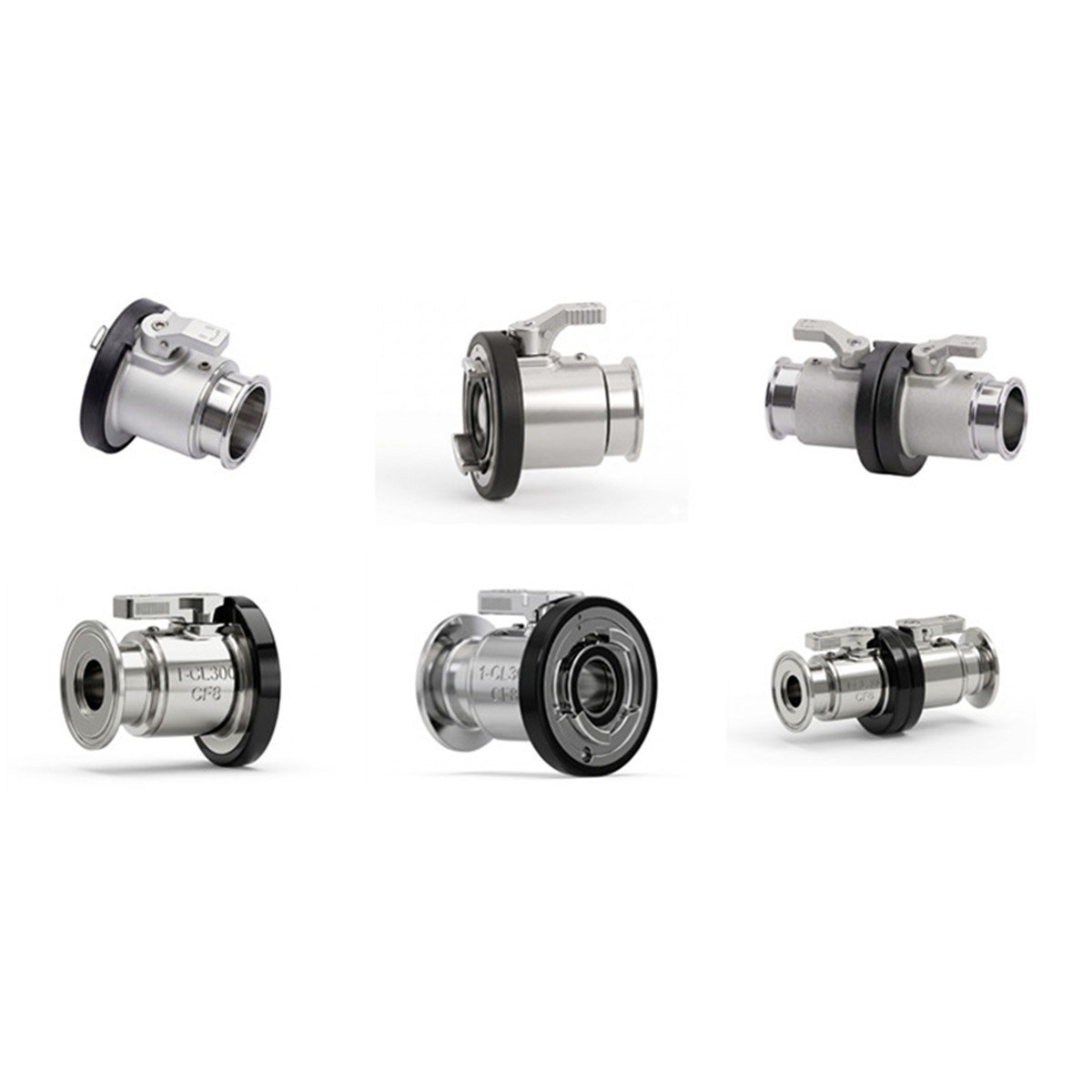
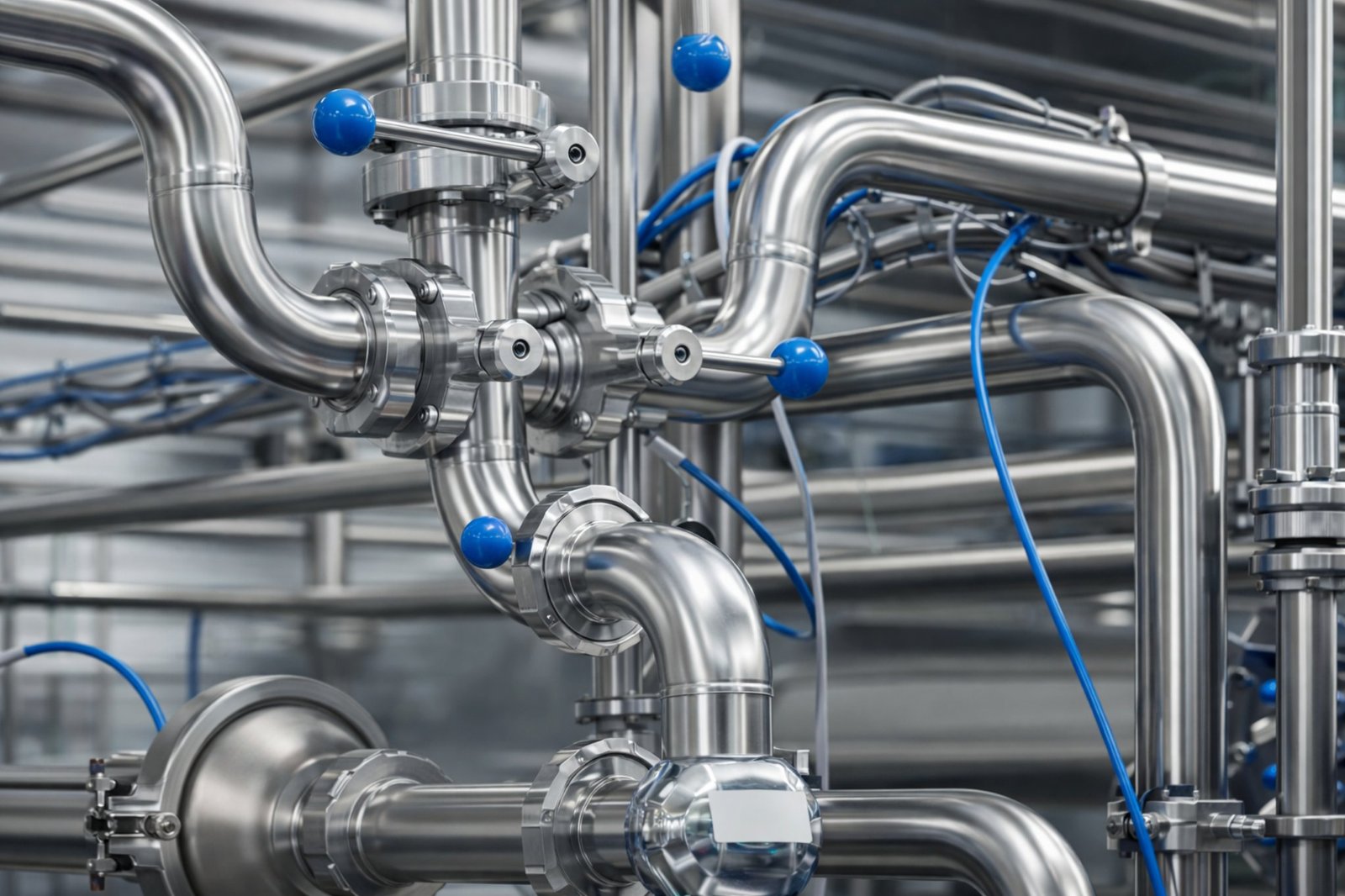
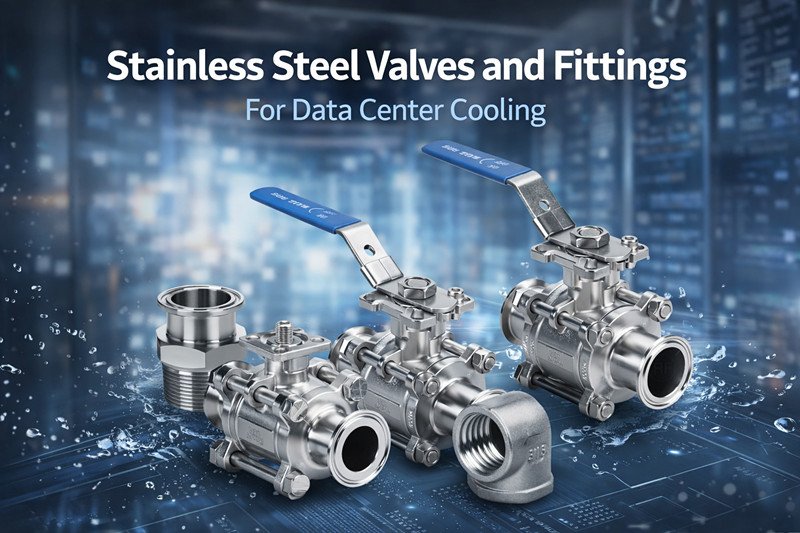
Sanitary valves play a critical role in liquid cooling loops by ensuring reliable, leak-free flow control, isolation, and modular connections that maintain system integrity under high-density conditions.
Selecting the right valve affects performance, safety, and maintenance. Choosing poorly can lead to leaks, downtime, and extra costs, so understanding types, sizing, and materials is essential.
Why Data Centers Are Moving to Liquid Cooling

High-performance servers, GPUs, and AI workloads generate immense heat. Air-cooling alone struggles to maintain uniform temperatures, especially in dense racks.
Direct-to-chip, immersion, and rear-door cooling systems provide efficient heat transfer. These setups require clean, sanitary components that prevent contamination and simplify modular expansion.
Liquid cooling reduces energy costs, allows higher server density, and improves reliability. Proper piping, fittings, and valves ensure flow is predictable and maintenance is minimal, which is vital in mission-critical environments.
Increased Heat from AI and GPU Density
AI workloads and high-density GPU servers concentrate heat in small volumes. Air-based cooling systems often create uneven airflow and hotspots. Liquid systems remove heat directly from components, providing consistent thermal management.
Clean and Modular Components
Sanitary-grade valves and fittings prevent contamination, which is crucial in systems using specialized coolants. Modular design simplifies expansion and replacement without draining entire loops.
Role of Sanitary Valves in Cooling Loops
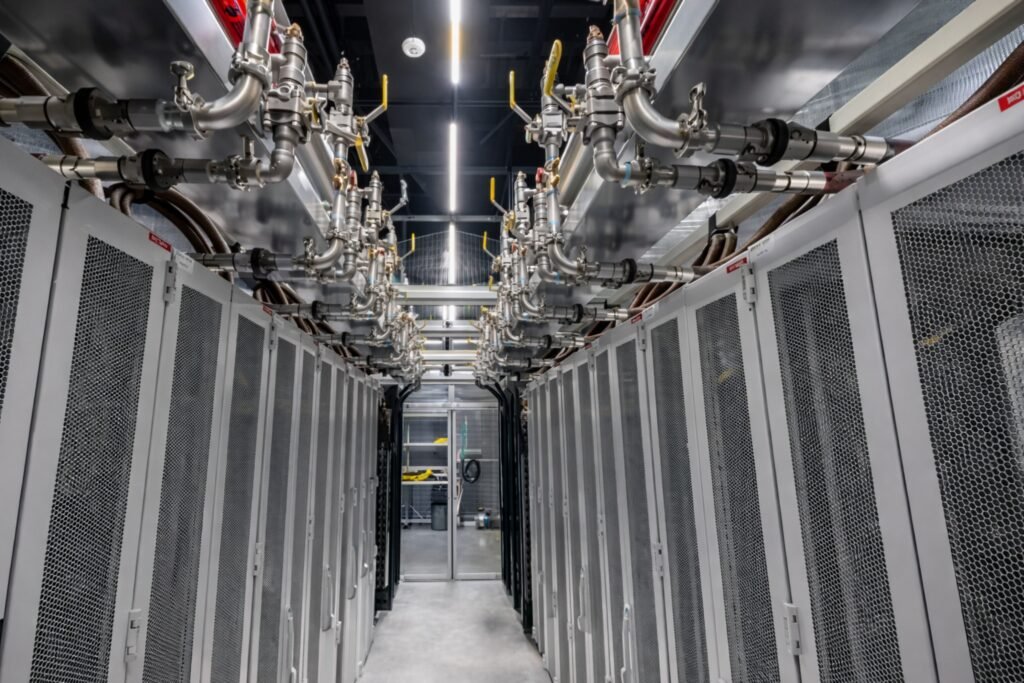
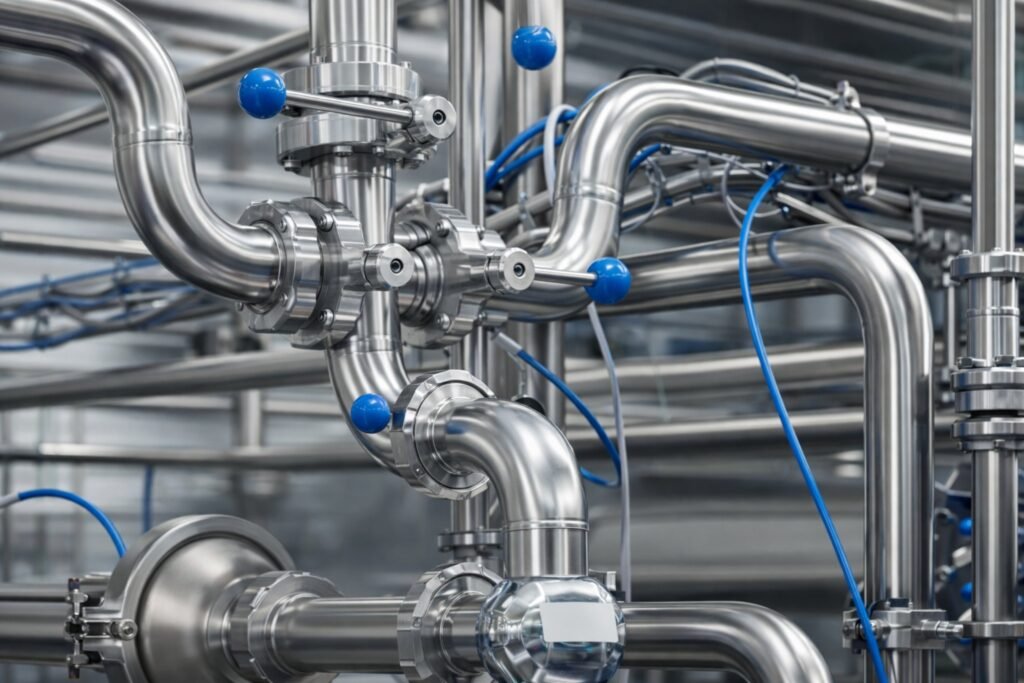
Valves regulate coolant distribution, control flow to rack manifolds, and isolate sections for service. They serve as bypass points and provide redundancy to maintain uptime.
In cooling loops, valves manage pressure drops and flow rates while maintaining tight seals. They allow maintenance without compromising system integrity or requiring complete shutdowns.
Isolation and Redundancy
Sanitary valves isolate racks or heat exchangers to enable service work without affecting the rest of the loop. Redundancy points reduce single points of failure, ensuring uninterrupted cooling.
Bypass Management
Strategically placed valves allow bypass flow around high-demand racks or sections under maintenance. This helps maintain uniform cooling and prevents overheating of adjacent hardware.
Benefits of Sanitary Valve Design
Smooth internal surfaces reduce turbulence and prevent fluid contamination. Stainless steel construction ensures corrosion resistance and long service life. Compact layouts fit dense server racks and optimize space utilization.
Sanitary valves often have quick-connect ends and minimal dead legs, reducing the risk of bacterial growth in water-based coolants. Leak-tight designs prevent coolant loss and maintain system pressure.
Stainless Steel Durability
Materials like SS304 and SS316L resist corrosion and maintain mechanical integrity over long periods. This is essential for systems with aggressive or deionized coolants.
Leak Reduction and Clean Connections
Polished internal geometries and sanitary connections minimize particle entrapment. Certifications and material traceability guarantee performance under operating conditions.
Types of Valves for Data Center Cooling
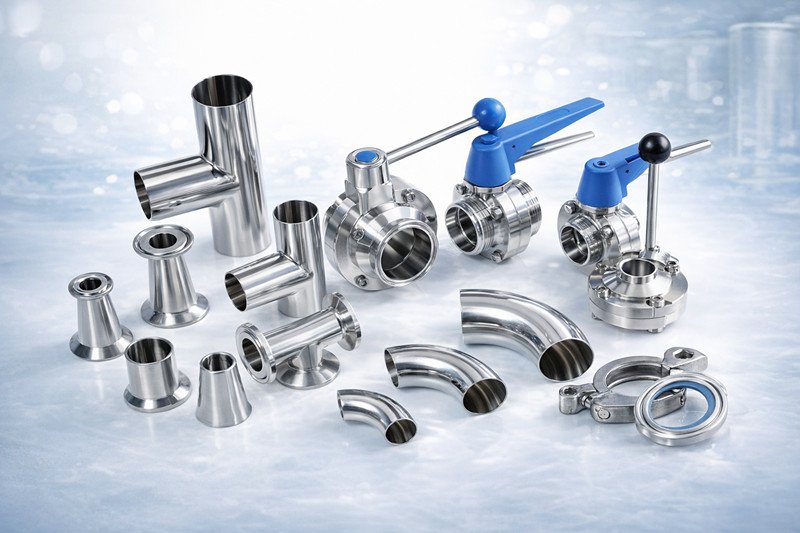
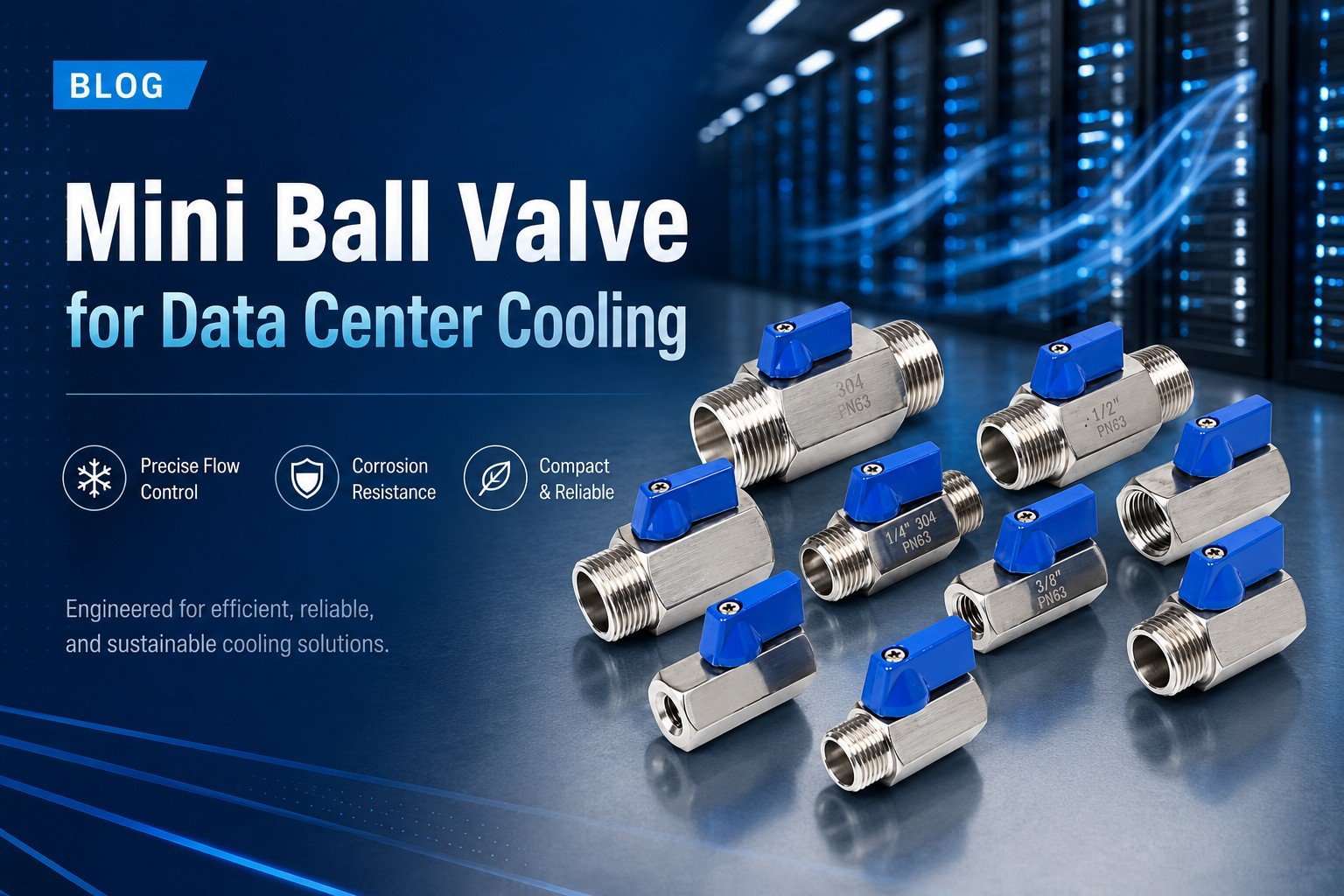
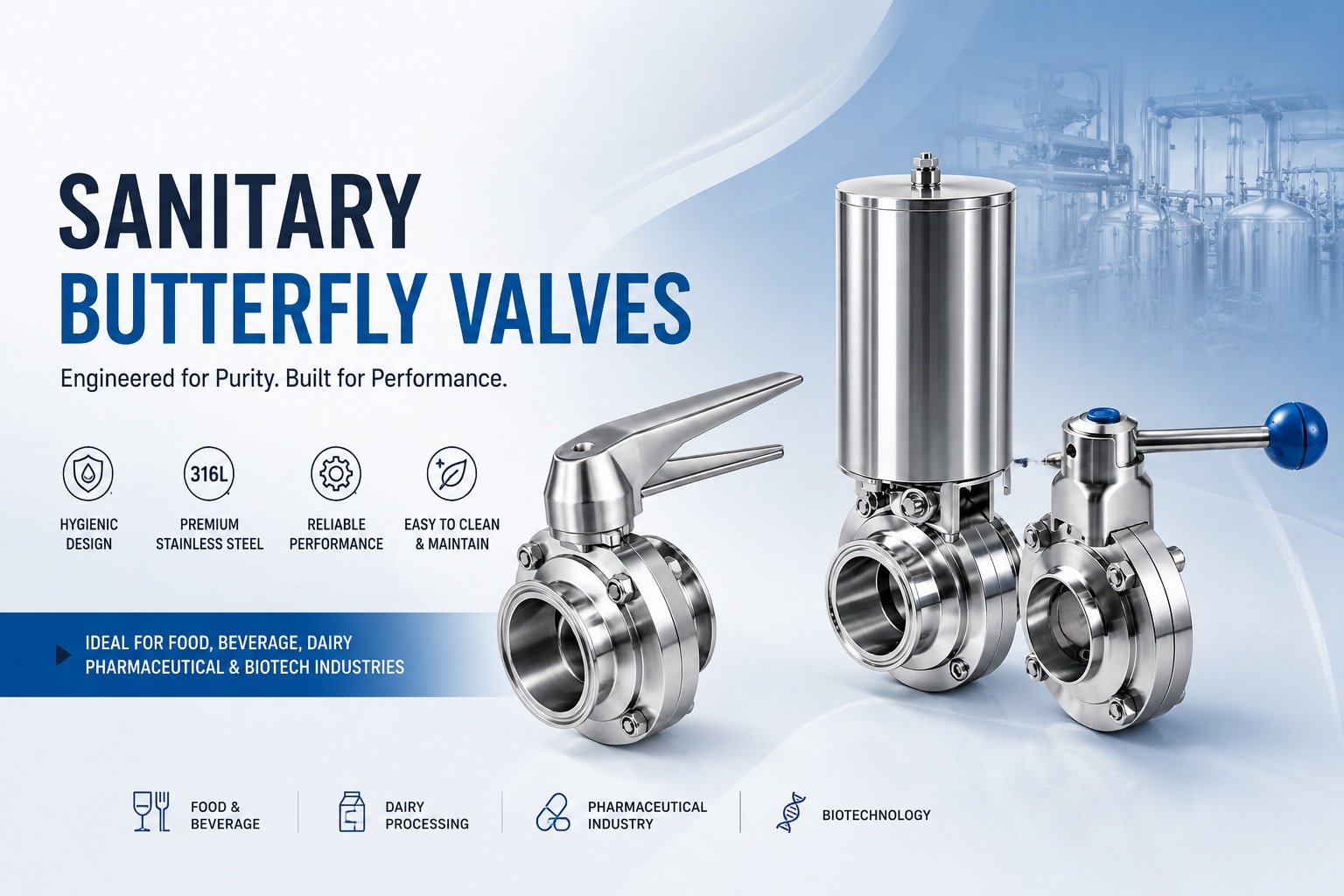
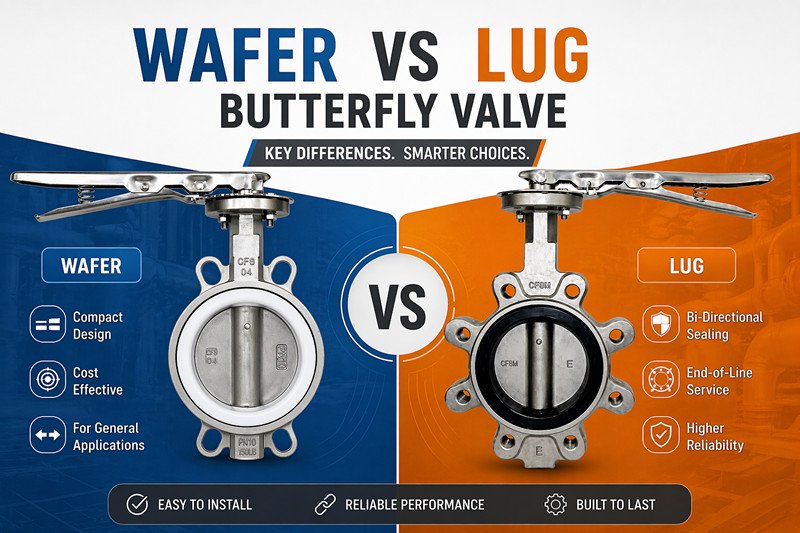
Ball, butterfly, check, control, and three-way valves are common in liquid cooling loops. Ball valves provide fast isolation, butterfly valves allow large flow handling, and check valves prevent backflow.
Manual valves offer simplicity, while actuated valves enable automated control of flow and temperature, integrating with building management systems.
Selection Based on Application
- **Ball valves:** fast on/off isolation
- **Butterfly valves:** large diameter and low pressure drop
- Check valves: prevent backflow in pumps or loops
- Control valves: modulate flow and pressure
- Three-way valves: enable mixing or bypass functions
Manual vs actuated options depend on system automation, maintenance frequency, and operator accessibility.
How to Choose the Right Valve
Sizing depends on flow rate, allowable pressure drop, and Cv calculations. Material compatibility with the coolant prevents corrosion or degradation. Seals should match chemical and temperature requirements.
Maintenance considerations include accessibility, modular disassembly, and the ability to replace seals or stems without draining the system.
Pressure Drop and Flow
Proper sizing ensures minimal energy loss. Oversized valves can cause low flow velocity, leading to stagnation, while undersized valves create excessive pressure drop.
Coolant Compatibility
Valve body and seal materials must withstand chemical composition, pH, and temperature range of the coolant. Stainless steel with PTFE or PEEK seals is common.
Serviceability
Sanitary designs allow disassembly, cleaning, and resealing without disturbing the entire loop. This reduces downtime and operational risks.
Common Mistakes and Best Practices
Oversizing valves, creating dead legs, or improper actuator selection can compromise performance. Neglecting coolant chemistry or maintenance schedules accelerates wear and contamination.
Regular inspection, correct torque during installation, and standardized component selection mitigate these risks.
Avoid Dead Legs
Dead legs trap stagnant fluid, promoting corrosion or microbial growth. Short, straight connections with fully ported valves prevent this issue.
Actuation Errors
Incorrect actuator sizing or alignment can cause incomplete valve closure, leaks, or delayed response. Always verify torque and range of motion.
Specification Checklist & FAQ
Quick references help engineers confirm material, size, pressure, and seal compatibility. Questions often cover automation, valve certification, and ease of replacement.
Key Considerations
- Material: SS304, SS316L, or custom alloys
- End connections: sanitary tri-clamp, threaded, flanged
- Pressure rating: match system design pressure
- Automation: manual, pneumatic, or electric actuation
- Seal type: PTFE, PEEK, or custom
- Maintenance: disassembly without draining loop
Having this checklist reduces selection errors and streamlines procurement.
Conclusion
Proper sanitary valve selection ensures efficient, reliable, and maintainable liquid cooling in high-density data centers, safeguarding equipment and optimizing performance.