 !
!
Modern data centers generate more heat than ever. Poor cooling performance increases downtime, maintenance costs, and hardware failures. Even small components like valves can affect the reliability of an entire liquid cooling system.
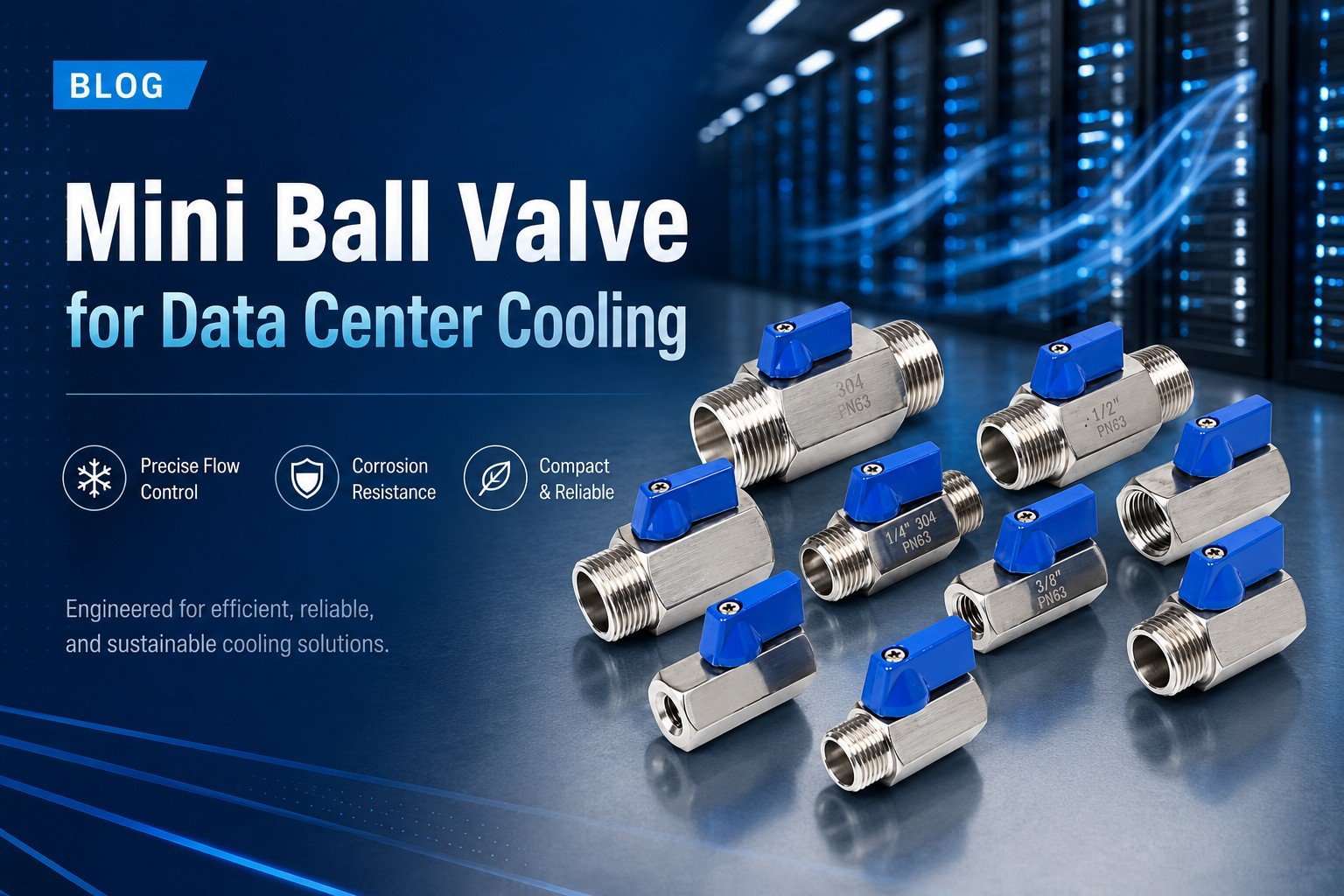
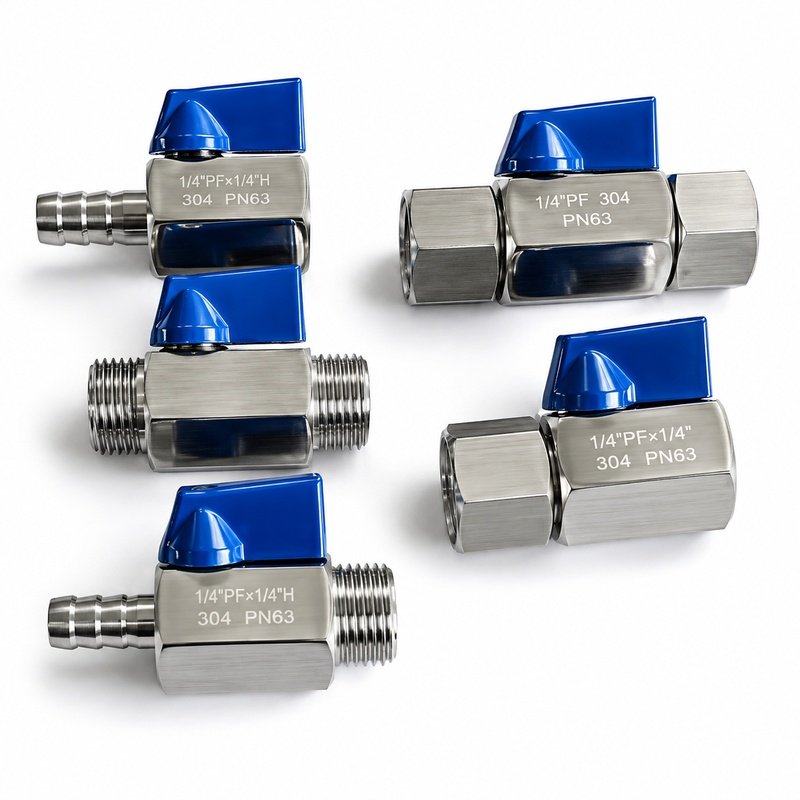
Mini ball valves are essential components in modern data center cooling systems because they provide reliable flow control, fast isolation, leak-tight sealing, and compact installation. Selecting the right valve improves cooling efficiency, reduces maintenance, and supports long-term system reliability.
As AI servers, GPU clusters, and high-density computing continue to expand, liquid cooling is replacing traditional air cooling in many applications. Every connection inside the cooling loop must perform reliably for years. From my experience in stainless steel instrumentation valves, choosing the correct mini ball valve is one of the simplest ways to improve overall cooling system performance.
Why Mini Ball Valves Are Essential?
Cooling systems contain many pipelines, pumps, heat exchangers, and distribution units. If one section cannot be isolated quickly or develops a leak, maintenance becomes expensive and system downtime increases.
Mini ball valves are essential because they combine compact size, fast quarter-turn operation, excellent sealing performance, and reliable isolation in confined cooling systems.
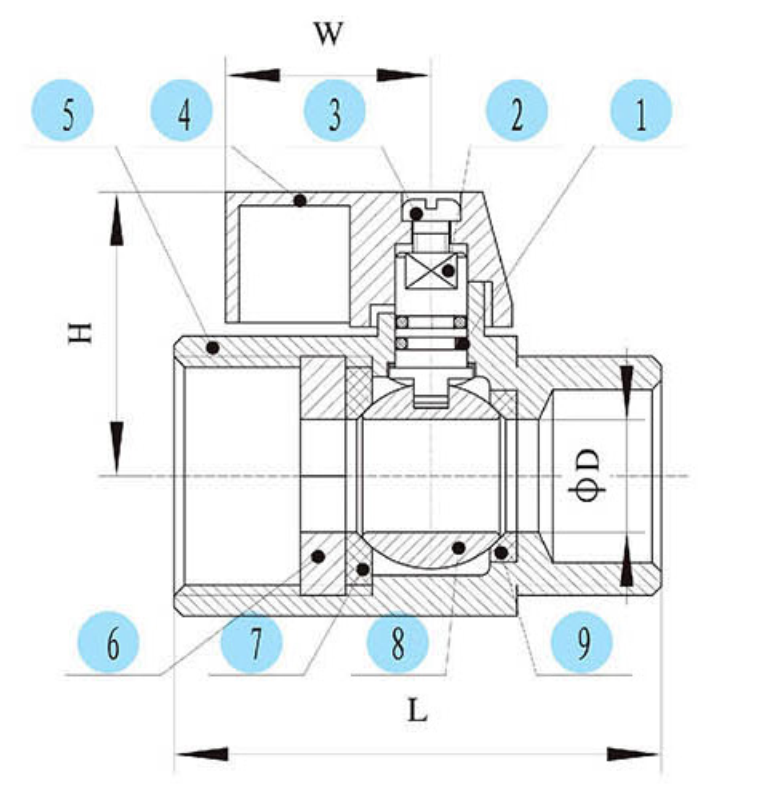
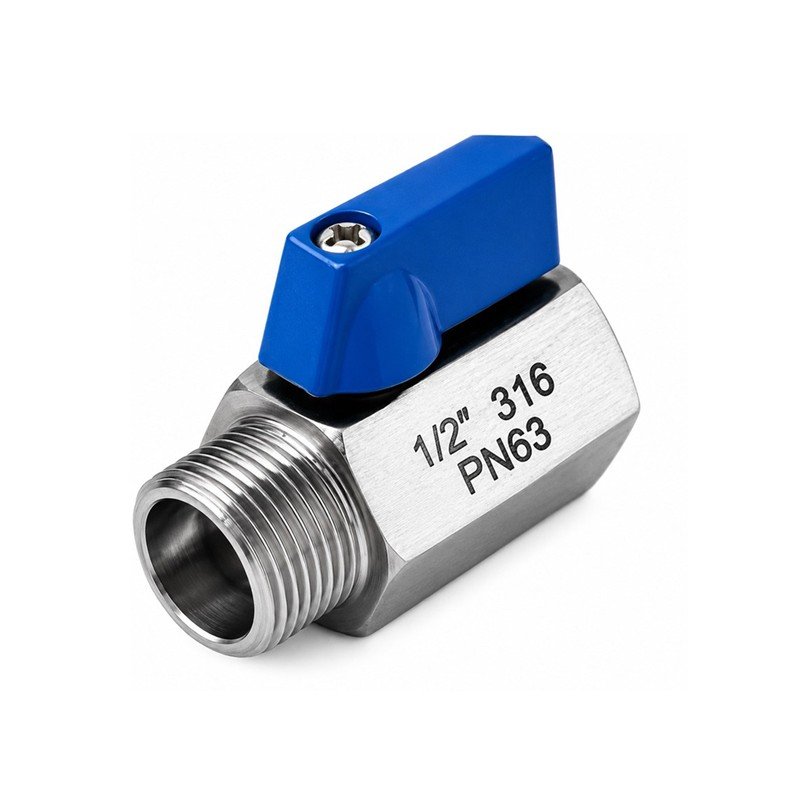
Compact Design Saves Valuable Space
Modern data centers maximize rack density. Every component inside a cooling distribution system competes for limited installation space.
Mini ball valves occupy very little space while still delivering full-port or reduced-port flow control. Their compact body allows engineers to install multiple valves inside CDUs, manifolds, and rack-mounted cooling systems without increasing equipment size.
This flexibility becomes even more valuable in modular data center designs where every millimeter matters.
Fast Shut-Off Simplifies Maintenance
Unlike gate or globe valves, ball valves require only a quarter turn to fully open or close.
This allows maintenance engineers to isolate cooling circuits quickly during:
- Pump replacement
- Heat exchanger servicing
- Filter cleaning
- Leak inspection
- Component upgrades
The faster the isolation process, the shorter the maintenance window.
Reliable Sealing Prevents Coolant Loss
Liquid cooling systems cannot tolerate coolant leakage.
Even a small leak may damage expensive electronic equipment or interrupt server operation.
High-quality mini ball valves use precision-machined balls together with PTFE or reinforced sealing seats to achieve excellent leak-tight performance. In my experience, I always recommend valves that undergo pressure and leakage testing before shipment because consistent sealing quality is more important than simply choosing the lowest-cost valve.
Our stainless steel instrumentation ball valves feature floating ball construction, bi-directional flow, low operating torque, and pressure-tested sealing performance, making them suitable for demanding liquid cooling applications.
Improve Overall System Reliability
Every valve becomes a potential failure point.
Selecting high-quality valves reduces:
| Benefit | Impact |
|---|---|
| Better sealing | Lower leak risk |
| Smooth operation | Easier maintenance |
| Corrosion resistance | Longer service life |
| Stable performance | Higher system uptime |
Although mini ball valves are small components, they directly influence the reliability of the complete liquid cooling network.
Common Applications?
Liquid cooling systems require reliable isolation at multiple locations. Mini ball valves provide flexible installation options throughout the cooling circuit.
Mini ball valves are widely used in CDUs, direct-to-chip cooling, in-row cooling systems, and cooling pipeline isolation because they provide dependable flow control in compact spaces.
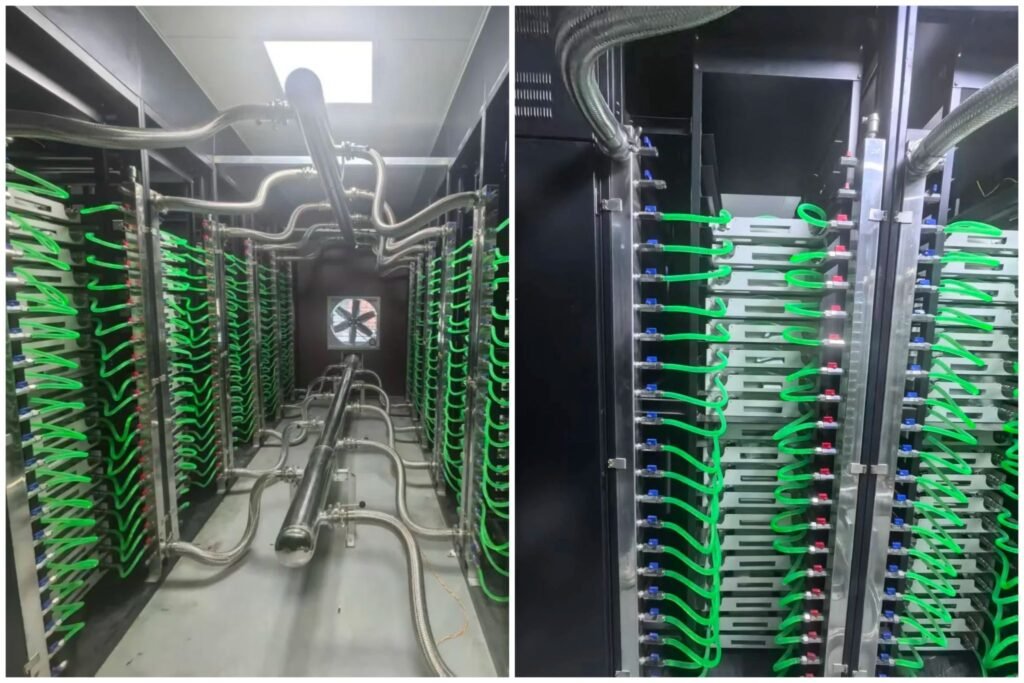
Coolant Distribution Units (CDUs)
CDUs distribute coolant throughout the cooling network.
Each branch often requires independent isolation during maintenance or balancing.
Mini ball valves allow technicians to service individual circuits without shutting down the entire cooling system.
Direct-to-Chip Liquid Cooling Systems
Direct-to-chip cooling delivers coolant directly to CPUs and GPUs.
These systems usually contain multiple parallel cooling loops.
Mini ball valves allow individual server trays or cooling modules to be disconnected safely while the remaining system continues operating.
In-Row Cooling Systems
In-row cooling units are commonly installed between server racks.
These units require compact piping layouts with multiple isolation points.
Because installation space is extremely limited, mini ball valves become an ideal solution.
Cooling Pipeline Isolation
Isolation valves are installed throughout cooling pipelines for:
- Emergency shut-off
- Flow balancing
- Equipment replacement
- System expansion
- Leak troubleshooting
Proper valve placement reduces maintenance complexity and improves serviceability across the entire cooling infrastructure.
How to Choose the Right Mini Ball Valve?
Many valves appear similar externally. However, material quality, sealing performance, and pressure capability greatly affect long-term reliability.
Choose a mini ball valve based on material, pressure rating, temperature range, connection type, seal material, and valve size that matches your cooling system requirements.
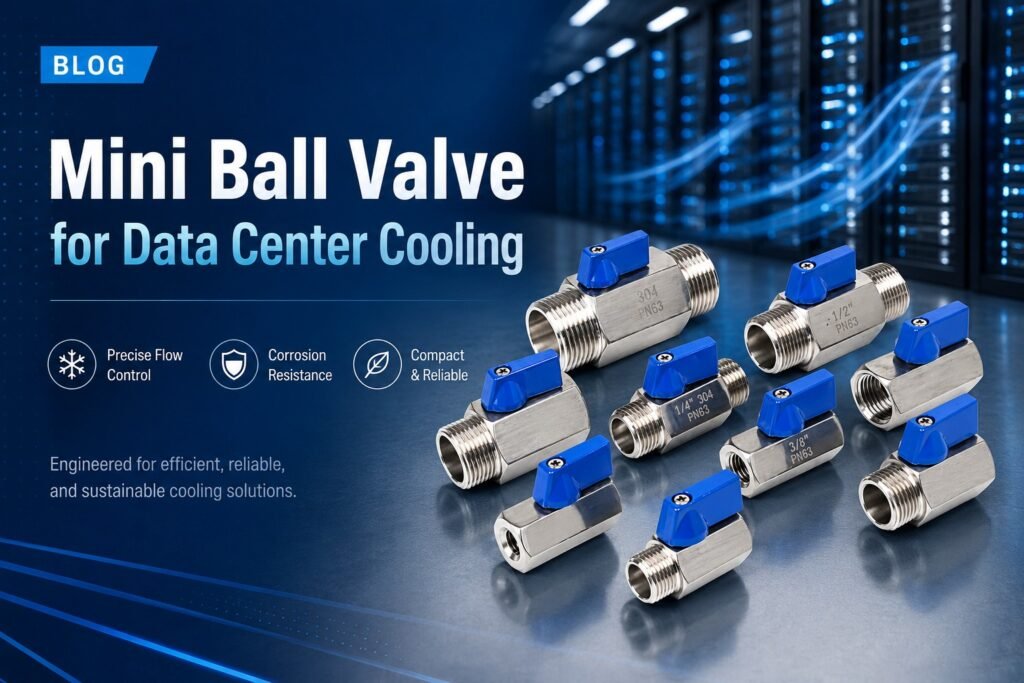
Material Selection
Material determines corrosion resistance and product lifespan.
Common choices include:
| Material | Suitable Applications |
|---|---|
| Stainless Steel 304 | General liquid cooling systems |
| Stainless Steel 316 | High-purity or corrosive environments |
| Brass | Cost-sensitive applications |
For mission-critical data centers, I generally recommend stainless steel because it provides greater durability and longer service life.
Pressure and Temperature Rating
Always verify that the valve’s working pressure and operating temperature exceed the system’s maximum conditions.
A sufficient safety margin improves long-term reliability, especially during pressure fluctuations and thermal cycling.
Connection Type
Different cooling systems require different connection methods.
Common options include:
- Female NPT
- Male NPT
- Hose Barb
- Compression Tube Fittings
- BSP Threads
- Custom OEM Connections
Selecting the correct connection minimizes installation time and reduces potential leak points.
Seal Material
Seal materials determine chemical compatibility and operating temperature.
Common seat materials include:
- PTFE
- Reinforced PTFE
- PEEK
PTFE remains the preferred choice for most water-glycol cooling systems because it offers excellent chemical resistance and low operating torque.
Valve Size
Oversized valves increase cost.
Undersized valves create unnecessary pressure loss.
Valve sizing should consider:
- Flow rate
- Pressure drop
- Pipe diameter
- Future expansion requirements
Correct sizing ensures efficient coolant circulation while minimizing pumping energy.
Benefits of High-Quality Mini Ball Valves?
Many buyers focus only on purchase price. However, the total ownership cost depends far more on reliability than the initial investment.
High-quality mini ball valves reduce maintenance costs, improve cooling efficiency, extend equipment life, and increase overall operational reliability.
Reduced Maintenance Costs
Reliable valves require fewer replacements.
Better sealing also reduces coolant loss, maintenance labor, and unexpected service interruptions.
Although premium valves cost slightly more initially, they usually lower lifetime operating expenses.
Enhanced Cooling Efficiency
Stable coolant flow improves heat transfer.
Consistent flow distribution allows cooling equipment to operate efficiently while reducing unnecessary pump workload.
Longer Equipment Lifespan
Electronic equipment performs better under stable temperatures.
Reliable flow control helps prevent overheating, reducing thermal stress on processors, GPUs, pumps, and heat exchangers.
This contributes to longer hardware life and lower replacement costs.
Greater Operational Reliability
Modern data centers operate around the clock.
Unexpected downtime can result in significant financial losses.
High-quality mini ball valves reduce the likelihood of:
- Coolant leakage
- Flow interruption
- Emergency shutdowns
- Unplanned maintenance
Based on my experience supplying stainless steel instrumentation valves to customers in more than 50 countries, the smallest components often have the greatest impact on long-term system reliability. Investing in dependable valves is one of the most cost-effective decisions data center engineers can make.
Conclusion
Mini ball valves may be small, but they play a critical role in reliable data center liquid cooling. Choosing the right valve improves cooling efficiency, minimizes downtime, extends equipment life, and supports the growing demands of AI and high-density computing environments.